
How US Credit Limits Actually Move
A US credit file does not grow by waiting. In the client record First Class Citizen publish on their Hall of Wins, limits move because someone asked: through the card's own app first, then, when the app says no, through the issuer's reconsideration line.
The record holds both halves. Five increase requests approved in one sitting from the app. A 2,000 dollar limit turned into 7,000 on a second phone call.
A denial at Bank of America reversed into a five figure card. And, in the same screenshots, the requests that were denied, because asking does not always work and this page does not pretend otherwise.
A file that pays on time, then months
Nothing below applies to a fresh card. The pattern across the record is months of reported, on-time activity before limits start to move, which is the same clock the approvals record runs on: the bureaus need three to six months of history before there is a file worth reading.
The starting limits are small on purpose. First cards in the record open at 1,000 to 2,500 dollars, sometimes against a deposit. The growth story is what happens after, and it is the part most people never work.
The levers are free to learn. Whether your file is ready to pull them is what the call looks at.
Book Your Assessment CallThe app asks cost nothing, and they stack
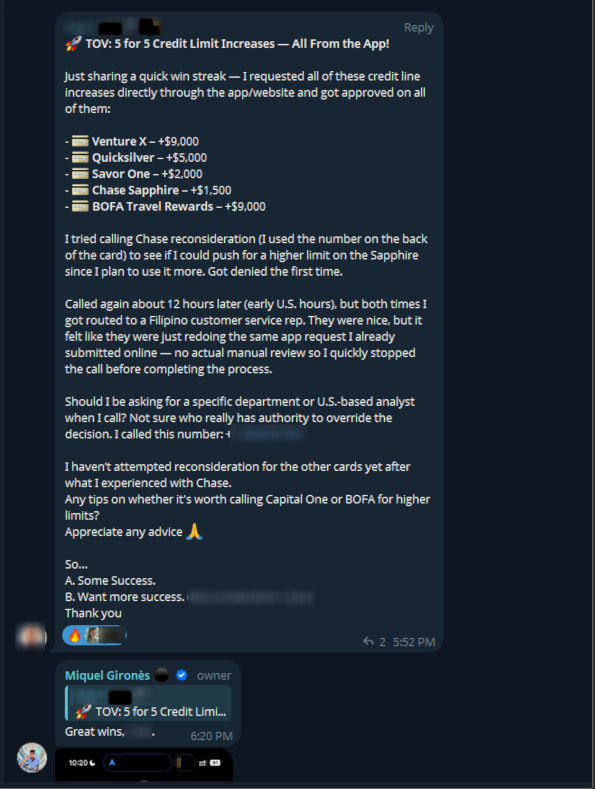
The cheapest move in the record is the increase request inside the card's own app. One client filed them across his whole card portfolio in one sitting and published the result: five requests, five approvals, the largest two at 9,000 dollars each.
The team's own published method post says the same thing in three steps: know how the banks and their algorithms operate, make calculated moves, and ask with some nerve. Their example: an app-based request that added 3,000 dollars in about twenty seconds.
The post did what a good method post does: a community member copied the move the same day and published his own screen, a 1,500 dollar increase to 26,500, in his words in twenty seconds as well.

The reconsideration line: asking twice is a different question
The first decline on an increase request is frequently automated. The reconsideration line exists so a person can look at the account, and the record's cleanest case is already told in full on the results page: a client asked for 5,000, was denied, called the reconsideration line, asked for the same 5,000, and was given 7,000 on a limit that started at 2,000.
The same lever works at the application stage. One client's published message describes calling Bank of America about a declined personal card and having the denial reversed: a card with a 10,000 dollar limit, in the mail, his first successful new card in years.
The same message keeps the honest half: the business card denial was still standing, with the reversal attempt planned for the next day.

And it is not one bank's quirk: the record also holds a 10,000 dollar business credit card at Wells Fargo, confirmed in the same call-and-ask style.
From a 2,700 dollar first line to five figures
The levers matter because of where the file starts. A first approval in the record is a 2,700 dollar Chase line, celebrated with the card added to a phone wallet before the plastic even shipped.

Worked patiently, that is the file the five figure limits in the record grew out of. The distance from 2,700 to a 26,500 limit is not a trick; it is months of on-time reporting punctuated by asks that were actually made.
From the first small card to the asks that grow it: the call maps the whole curve.
Book Your Assessment CallWhat these screenshots do not show
Denials are underrepresented everywhere, including here, and the ones you can see exist only because the clients mentioned them themselves: the twice-denied phone reconsideration inside the five-for-five message, the business card still declined in the reversal story.
Asking has a cost dimension: an increase request can involve a credit check depending on the issuer, and asking recklessly is not the pattern the record shows. The published method is calculated moves on an account already paying on time, not volume.
And none of it is advice about your file. The engagement is advisory: the method and the introductions are provided, the accounts and the asks remain yours.
The path that produces the file in the first place is set out in the full US credit guide and on their mentorship page.
More from the credit record




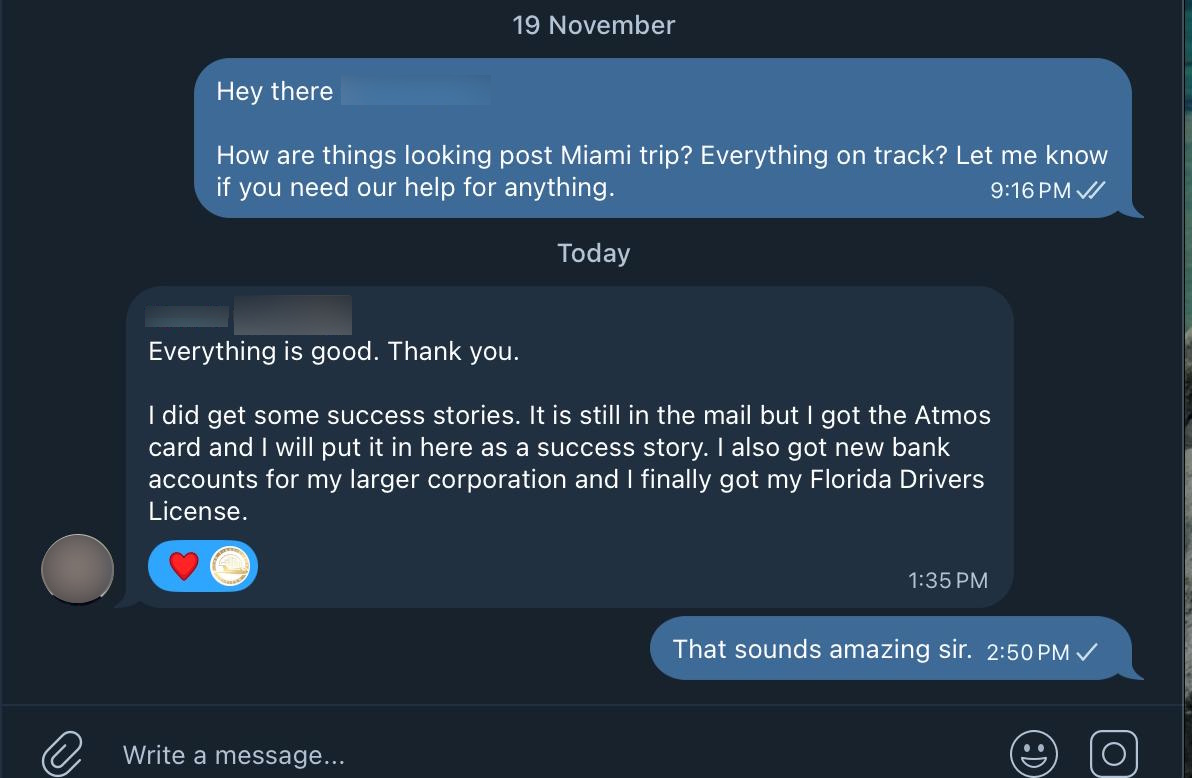

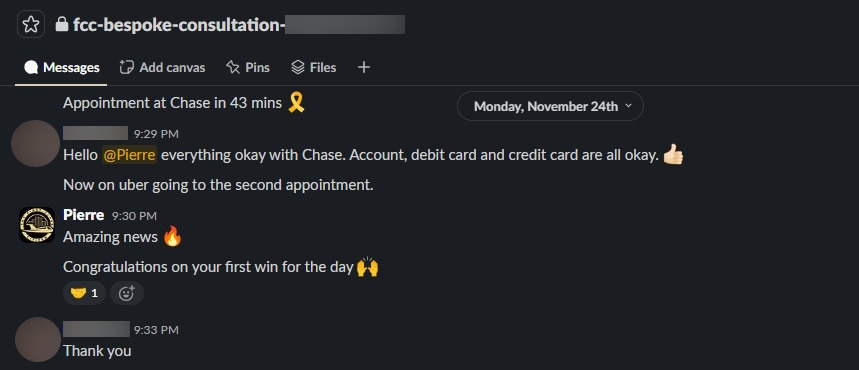

Real client wins, straight from the Hall of Wins.
The US credit series
The rest of the picture
- Find your routeTell it what you are trying to do and it maps the guides to read in order.
- ITIN document checklistPick your situation, get the exact list the IRS accepts.
- What it costsPublished prices and timelines, service by service.
- US credit calculatorWhat your spend returns at the rates issuers publish today.
FAQ
How do US credit limit increases actually get approved?
How soon can a limit increase be requested?
Does calling after a denial really work?
Do increase requests hurt the credit file?
Are these results guaranteed?
Find out where your file could go
The assessment call goes through where your credit file stands, what a realistic first limit looks like, and when the increase levers start to apply. Free, qualified, direct.
Book Your Assessment CallThis guide reports what the authorities and institutions involved publish, quoted, with the date each source was read. It is not tax, legal or immigration advice. Published rules change, and an individual case can turn on facts no page can see.

Founder & CEO, The First Class Citizen