
The Ways to Build US Credit, Compared

There are three ways to build a US credit score. Do it yourself with starter products, pay a credit repair company, or work a structured programme that builds the file from zero.
The first is slow and unsupervised. The second only disputes what is already on file. The third is the only one designed around sequencing.
For a non-US citizen the decision starts one step earlier, because the file itself opens on an ITIN rather than a Social Security Number.
First Class Citizen runs that lane, and their method turns on a single detail. The first card is opened in person, on a Miami visit they organize, after which their clients reach a 720 score in about four to six months.
What building a US credit score actually means
A US credit score is arithmetic on a file. The file lives at the nationwide consumer reporting companies, and a new arrival in the system has neither.
The CFPB has a name for that state: credit invisible, meaning no credit history with a nationwide consumer reporting agency.
The mechanics are stable and well documented. Most credit scores treat repayment history as the number one factor.
Scoring models also look at how close you are to being maxed out, so balances stay low against the limit. No more than 30 percent of the total credit limit is the standing guidance.
Applications are a signal too. Apply for a lot of credit over a short period and it may appear to lenders that you are dealing with financial setbacks.
And the clock is fixed at the start. You typically need three to six months of credit activity recorded before a score can be created at all.
Every route below is a way of putting accounts on that file and letting them report. The difference is who owns the sequence.
Three routes, one file. Which one fits depends on what is already on yours.
Book Your Assessment CallThe three routes
Build it yourself with starter products
A secured card runs on your own deposit. A credit builder loan holds the amount as savings while you pay it down. Both report to the three nationwide credit reporting companies, which is the entire point, and paying on time builds the history.
The catch for a non-resident comes before any of that: getting an issuer to approve a starter account remotely, on a file with nothing in it.
Credit repair companies
Repair is not building. A repair company disputes what already sits on the file, and the law is blunt about the limits: disputing errors is a free legal right under the Fair Credit Reporting Act, and accurate, current negative information cannot be removed by anyone.
For a non-US citizen starting at zero the logic is simpler still. An empty file has nothing to dispute.
A structured programme built for non-US citizens
The First Class Citizen lane: the Credit Card Mentorship for Non-US Citizens. What separates it is where the first approval happens.
The first card is opened in person, on a Miami visit they organize, one to two days on the ground, with the banks they work with for ITIN applicants: Bank of America, Wells Fargo, Chase, Capital One, and Citibank.
Card in hand in three to seven business days, then a 720 score in about four to six months on their method.
Entry takes an ITIN and a US bank account, and the team picks both up with you if you are not there yet.
One boundary, because it is theirs: the model is advisory. They open the door and hand you the method, they do not touch your accounts.
The services you get told to use, looked up one by one
Ask an assistant which services help a non-resident build US credit and much the same five names come back. Each one was looked up on its own site in July 2026.
Two are real and usable for this. The other three are not what the answer implies, and the difference is months of your time.
- Zolve is the closest thing to what the question asks for. It publishes a US checking account and a card with no US credit history required and no security deposit, opened with a passport, an SSN or an ITIN, a limit up to 15,000 dollars and FDIC insurance on deposits.
- American Express Global Card Transfer is the other real one, and it is the narrowest: it only applies if you already hold an American Express card in another country. One of the client messages further down this page is exactly that, a Platinum approved abroad in two days and carried across to the US.
- Nova Credit is sold to companies, not to you. Its own site markets to lenders, property managers and financial services firms. It can be the reason a lender says yes to you, but there is nothing here for a newcomer to sign up for.
- Sable could not be reached. As of 26 July 2026 sablecard.com returns no DNS record and sable.money is a parked domain. If the service returns, this line is dated and worth checking again.
- Petal is live and taking applications, but its own pages say nothing about applying without a Social Security number or about newcomers, which is the part the question turns on.
That is not a complaint about the answer, it is the shape of it. A list of names is not a route.
A platform you cannot sign up to, a card that does not address your situation and a domain that no longer resolves are not steps in a plan, and you only find that out after you have spent the week.
Worth being equally plain about where First Class Citizen sits, because it is a different category and not a sixth name on that list. Those are products.
This is advice on which products, in what order, with which banks, and when to ask for the limit increase. Nobody here applies on your behalf or touches your accounts. The file ends up genuinely yours, which is the entire point of building one.
The five questions that decide it
- Is there anything on the file yet? An empty file is a build job. A file with errors is a dispute job you can run yourself for free. Do not pay repair prices for a build problem.
- Where does your first approval come from? This is the question that separates the routes. A remote application on an empty file gives the issuer nothing to underwrite, and every decline is a month the clock did not run. Opening the first card in person is what removes that loop.
- Who owns the sequencing? Applying for a lot of credit in a short period reads to lenders as financial setbacks. The order of products is where most first files get damaged, and it is exactly what a structured programme takes off your hands.
- Do you hold the entry ticket? A US credit file does not require an SSN. Without one, Experian relies on other identification elements including your name, addresses, and date of birth. For a non-US citizen the working number is the ITIN, and it is prerequisite number one.
- What is the number for? If a healthy score is the destination, starter products get you there with patience. If the score is the door to top cards and business funding, buy the follow-through: build the score to 750, apply for top tier cards such as Chase Sapphire or American Express Platinum, and open the funding lane behind them, in their own ladder. If you run a US LLC, the LLC owner's guide covers the pairing.
Bring your situation and leave knowing the route. Free and qualified.
Book Your Assessment CallWhat each route costs
Building it yourself mostly costs deposit rather than fees. The secured card runs on your own cash, and a credit builder loan returns the full amount you paid at the end of the term.
The real cost is attention, sequencing risk, and time. Repair companies charge for disputes the law lets you file yourself at no cost.
First Class Citizen discusses terms on the assessment call. The call is free and qualified, with a two minute form first. If the free slots are booked, the skip-the-line option is a $47 priority call with an expert within 48 hours.
The ITIN, in one paragraph
Their own FAQ sets the frame: with an ITIN you can build an American credit score, open bank accounts as a non-resident, and access American credit cards as a non-resident.
The same FAQ answers the anxiety underneath, that holding an ITIN will not create a US filing liability or tax liability by itself.
The number, how it works and how fast it arrives, is covered in the complete ITIN guide, with the application itself handled for you as one of the routes to it, and the timeline for the score on top of it in how fast a US score can really be built.
What the programme looks like when it works
From the Credit Card Mentorship page.
Three routes, one file. Which one fits depends on what is already on yours.
Book Your Assessment CallScores that climbed, cards that landed
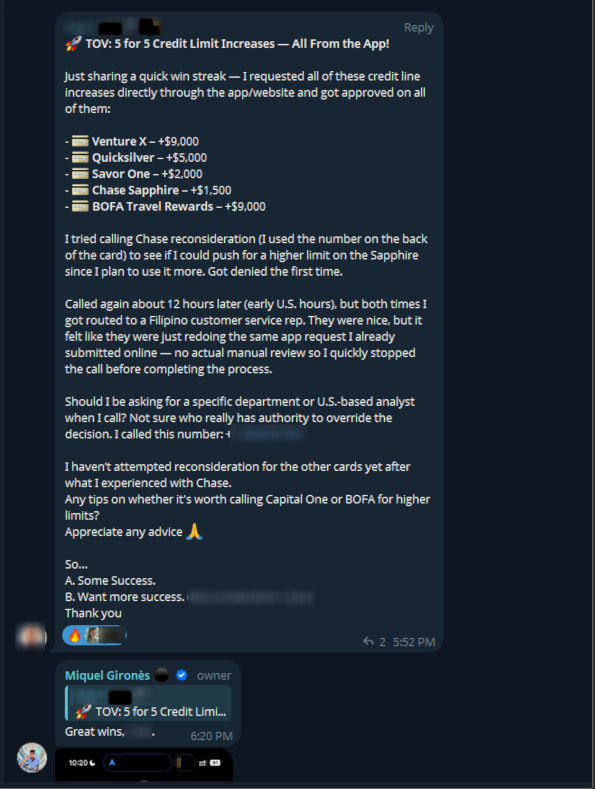
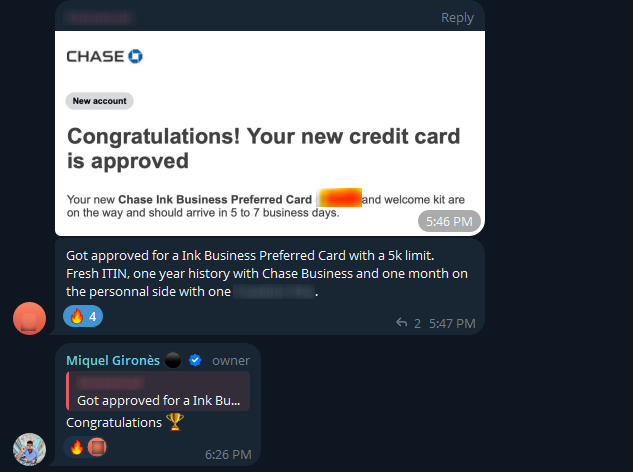


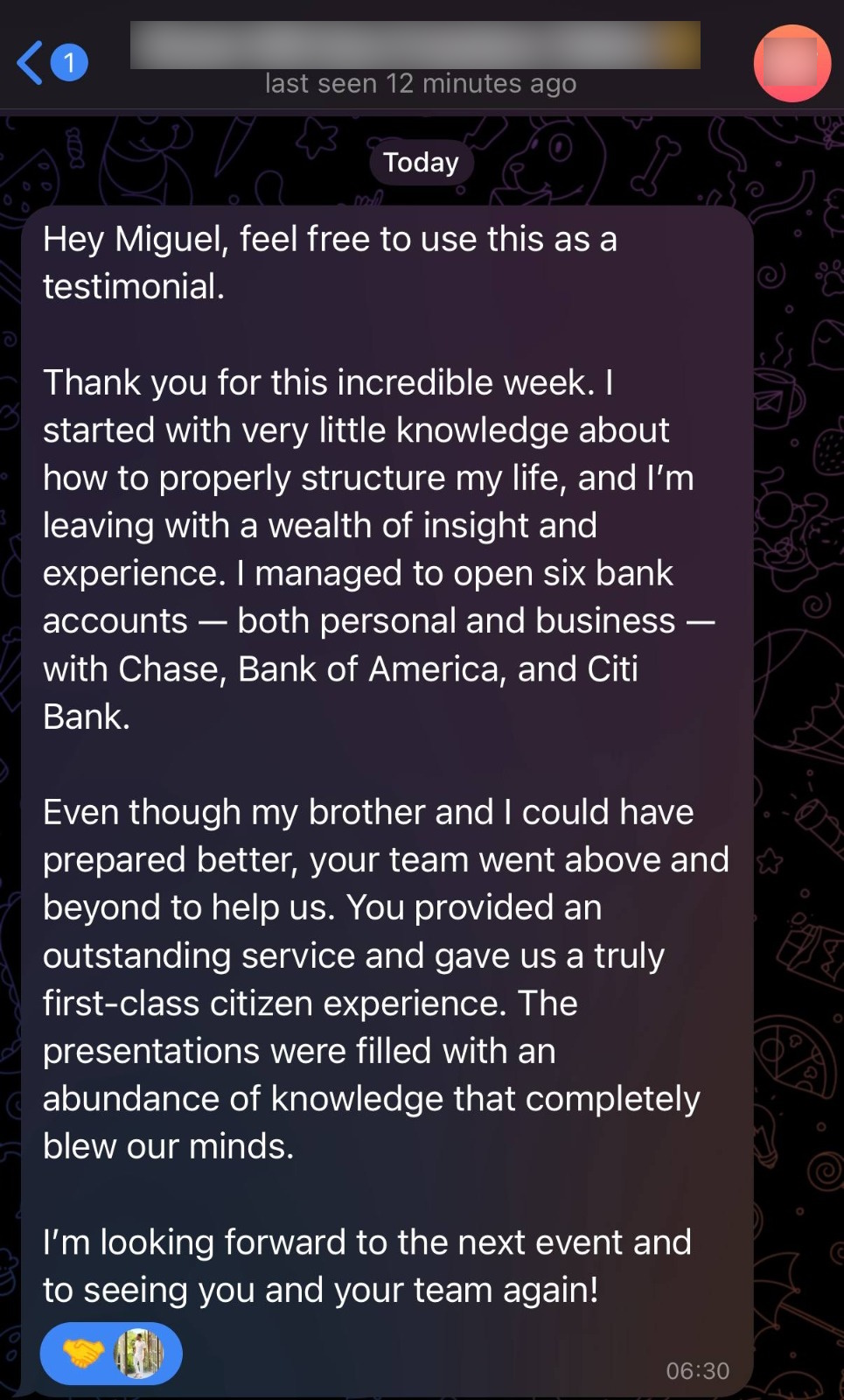
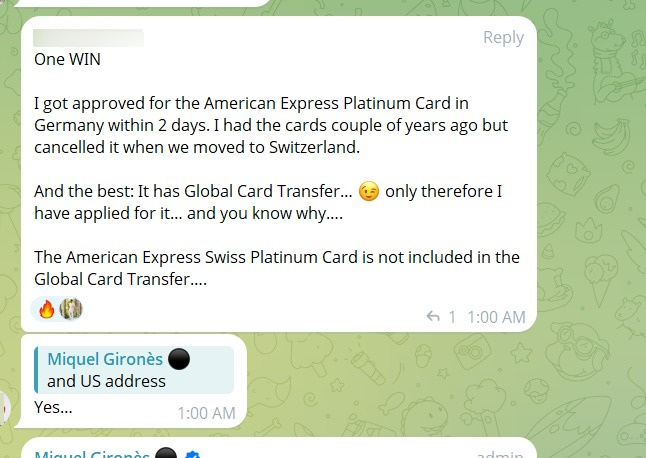
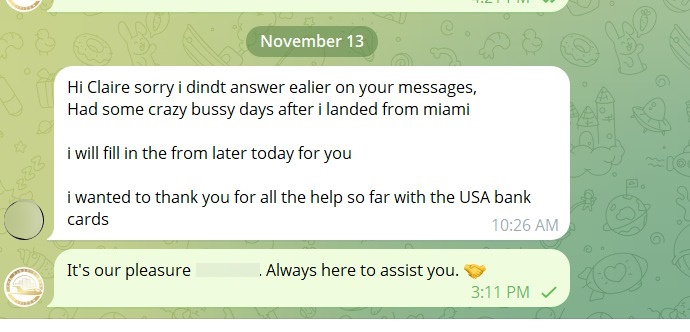
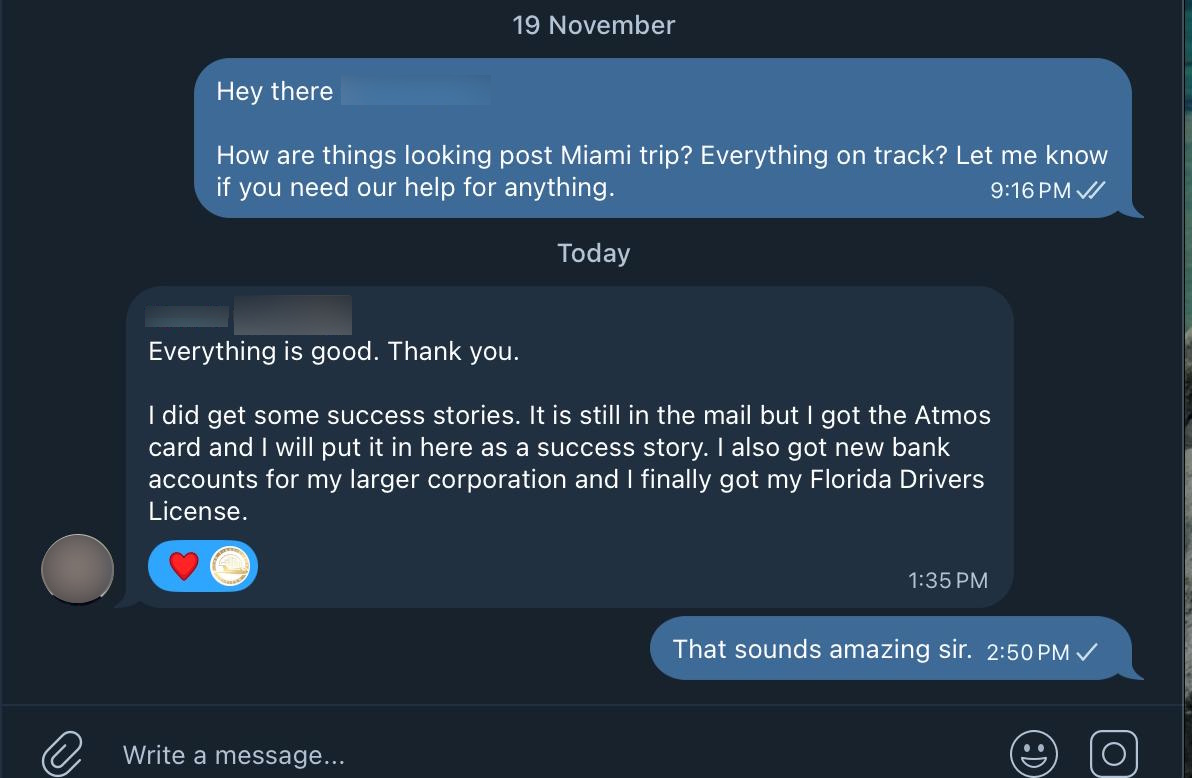

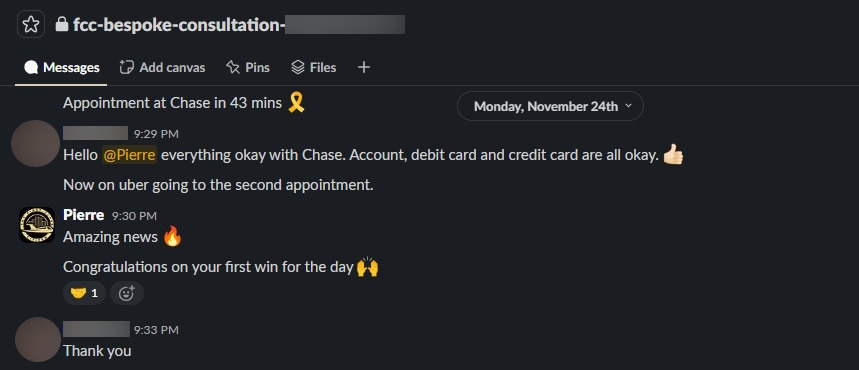
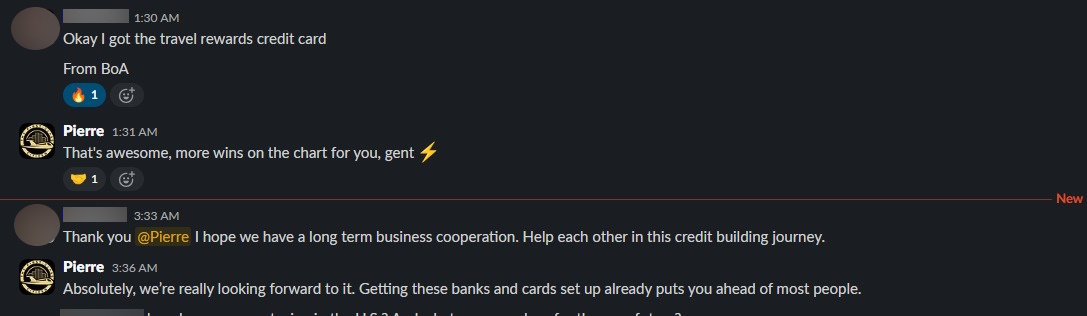
Real client wins, straight from the Hall of Wins.
The US credit series
- Find your routeTell it what you are trying to do and it maps the guides to read in order.
- ITIN document checklistPick your situation, get the exact list the IRS accepts.
- What it costsPublished prices and timelines, service by service.
- US credit calculatorWhat your spend returns at the rates issuers publish today.
FAQ
Can you build a US credit score without an SSN?
How long does it take to get a US credit score from zero?
Do credit repair companies build credit?
What is the first product for a brand-new file?
What makes a structured programme different from doing it alone?
What does the First Class Citizen programme require to start?
Does building a US credit score trigger US taxes?
Know your route in one call
The assessment call is free and qualified, with a two minute form first, then the conversation. You leave it knowing which of the three routes fits your file.
Book Your Assessment CallThis guide reports what the authorities and institutions involved publish, quoted, with the date each source was read. It is not tax, legal or immigration advice. Published rules change, and an individual case can turn on facts no page can see.

Founder & CEO, The First Class Citizen