
US Bank, the ITIN, and the Secured Card

Most issuers say nothing about the ITIN. US Bank says something specific, and it arrives in an answer about a different question.
Their knowledge base asks whether a secured credit card can be upgraded without a Social Security number, and answers: no, they can only upgrade the secured card if you have an SSN, and if you have an ITIN you can continue to have a secured account and use your card.
That is a limit and a commitment in one sentence. The upgrade is closed without an SSN, and the account itself is not: holding and using it with an ITIN is described as continuing normally.
What their published application flow does not do is show a route to apply with an ITIN in the first place. Both halves are set out below, because the gap between them is the honest state of this question.
The one sentence where the ITIN is named
The article is about upgrading, which is why it goes unfound by anyone searching for a card and an ITIN. Its title asks whether a secured credit card can be upgraded by someone without a Social Security number.
The published answer, in full
The published answer, in full: no, they can only upgrade the secured credit card if you have an SSN, and if you have an ITIN you can continue to have a secured account and use your card.
Read the second clause on its own. It is written to someone who already holds the account, and it commits US Bank about its own behaviour toward that holder rather than describing the market.
That distinction is why this page exists at all. It is a first-person statement about what happens with an ITIN, and there are very few of those anywhere in this lane.
The upgrade side
The upgrade side is equally clear and equally worth taking at face value. No SSN, no upgrade to a traditional card, stated by the issuer without hedging.
One issuer's published sentence is worth more than ten forum answers.
Book Your Assessment CallWhat their application flow publishes instead
Now the other surface, because leaving it out would make this page read as a route.
The published walkthrough of the secured card application
US Bank's published walkthrough of the secured card application names the SSN at its own step, with a stated reason: enter your SSN, it reads, and they will use it to confirm you are not subject to backup withholding with the IRS.
Nothing on the pages read publishes a way to complete that application with an ITIN instead. The source pack behind this page logs every US Bank page checked, and it records the finding as not found rather than as refused.
A search that finds nothing
Which is the accurate way to hold it. A search that finds nothing has established that nothing was found on the pages read on a given day, and that is a smaller claim than the one people usually make from it.
An account held with an ITIN
So the honest summary of the two surfaces is this. An account held with an ITIN is described by US Bank as continuing normally. How such an account is opened is not published on the pages read, and it is a question for US Bank rather than for a page.
One adjacent fact, on a different product, is published and worth knowing for context: their business credit card application lists the tax identifier field as Social Security number slash ITIN, in their own wording, in the personal-details list.
The deposit, the limit, and what happens on denial
The secured card's own numbers are published plainly, and nothing they publish attaches a different set to a different applicant.
What you can deposit
You can deposit between three hundred and five thousand dollars, their article reads, and the deposit amount will be the same as your credit limit, if approved.
If approved is theirs, not a hedge added here, and it is the standing rule of this whole lane in three words. What an issuer publishes is what an application involves. Whether a given one succeeds is not something any of the issuers read for these guides commits to in advance.
Funding the deposit
Funding the deposit has a published constraint that matters for someone outside the United States: funds can be added electronically from any checking or savings account, as long as it was opened within the United States. A cashier's check or money order is published as the alternative route.
The published answer for the failed case
And there is a published answer for the failed case, which is unusually direct: if your application is denied, you will receive a full refund.
The review, the criterion, and the hedge
US Bank publishes how the graduation question is handled, and every part of it is worth quoting rather than paraphrasing.
After twelve months, they write, they will review your account to determine if you are eligible to graduate to a traditional card.
Among the criteria they list is the one this page opened on, in their own words: if you have a social security number associated with your account.
And the outcome stays hedged everywhere they describe it. Spend within your limit and pay your bill when it is due, their card page reads, and over time this will help build your credit and you may be able to graduate to a traditional card.
May, again. The review is published, the criterion is published, and the result is left open in every place US Bank describes it.
The file is the asset. The card is how it gets built.
Book Your Assessment CallHow this fits what the other issuers publish
Across this lane the same rule keeps holding: applying is published, approval is not. US Bank does not break it, and the specificity of their ITIN sentence does not soften it.
What varies between issuers is who commits about themselves. Chase commits about itself and publishes its answer. Capital One describes the market rather than itself, which is a different kind of sentence entirely. The comparison across issuers is where those differences sit side by side.
US Bank's contribution to that set is narrow and real: a first-person statement about holding and using an account with an ITIN, and an equally first-person statement about the limit on upgrading it.
What this page does not say
That US Bank accepts ITIN applications for the secured personal card. No such route was found on the pages read, and not-found is not a yes.
That anyone will be approved. Their own if approved does the work in that sentence.
That the two surfaces can be reconciled. One describes an account held with an ITIN, the other publishes an application step naming an SSN. Both are quoted, neither is explained away, and the question of how they meet belongs to US Bank.
What the page does deliver is the exact wording, so that a conversation with the issuer starts from what they have actually published rather than from what the internet says they publish.
Client wins from the Hall of Wins
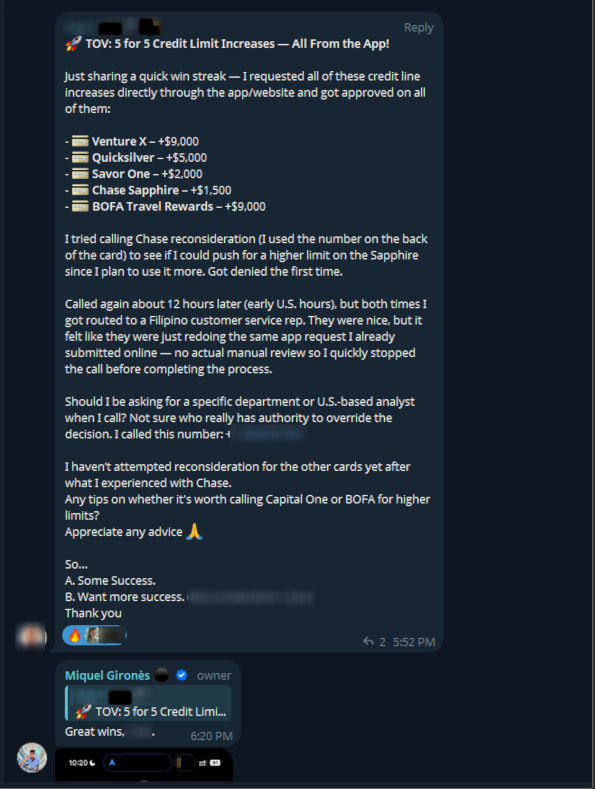
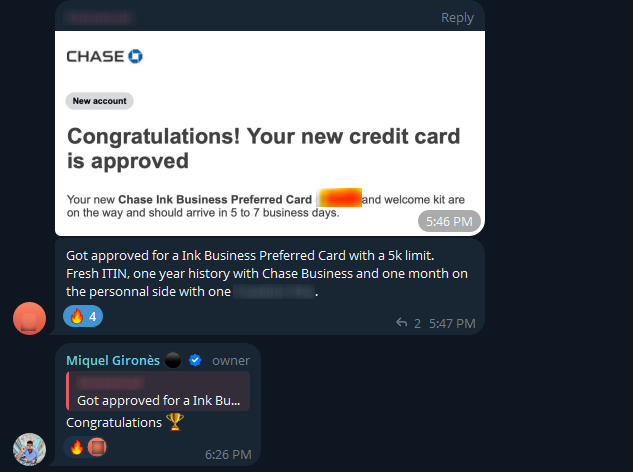


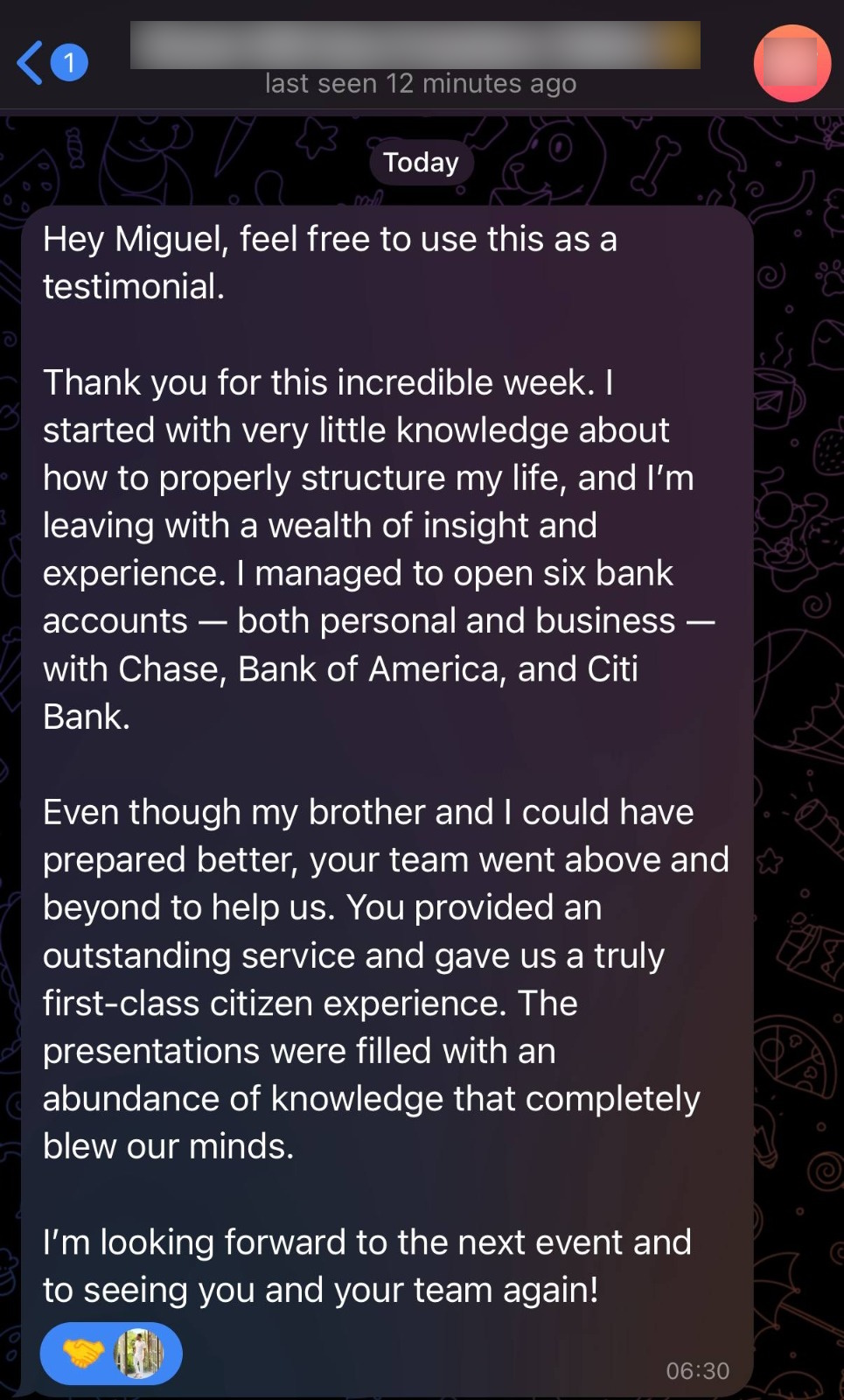
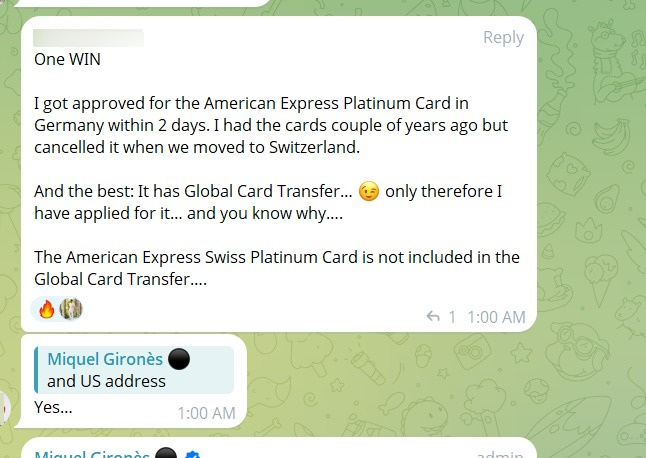
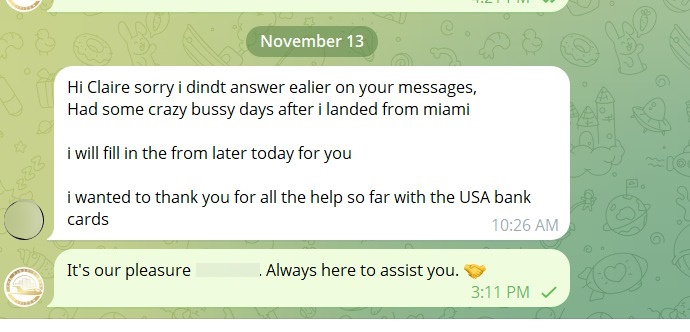
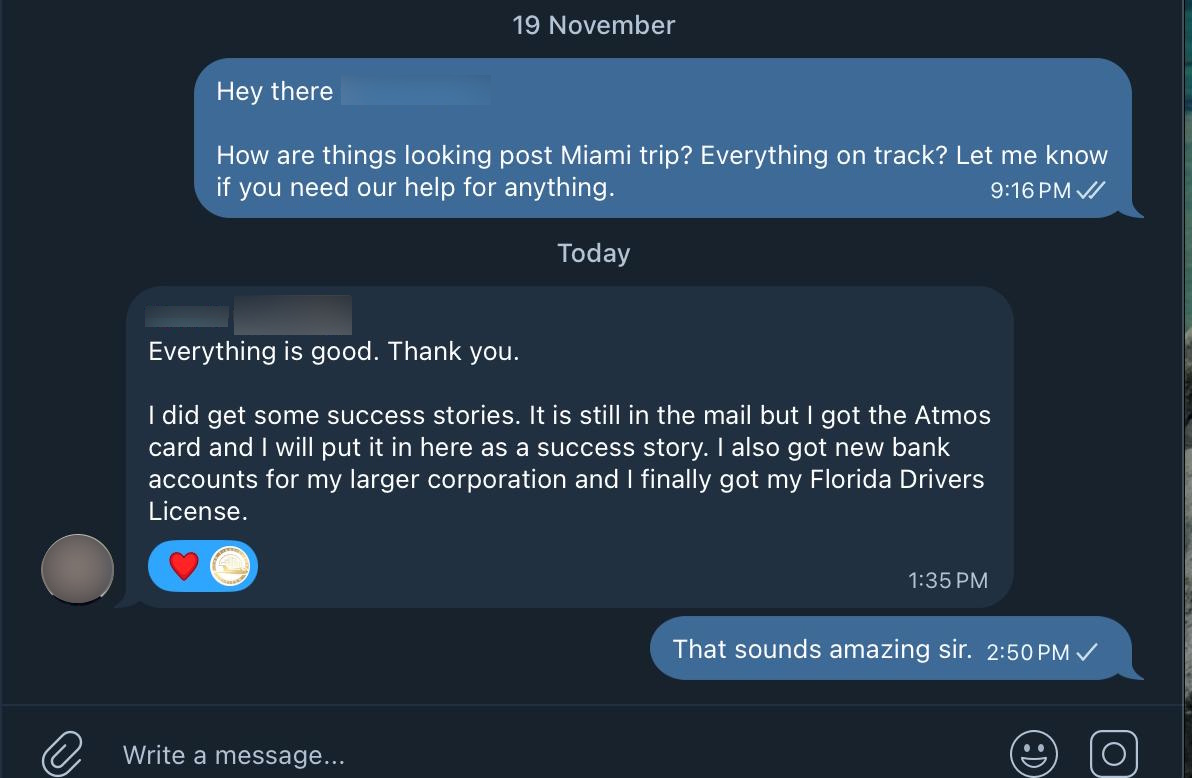

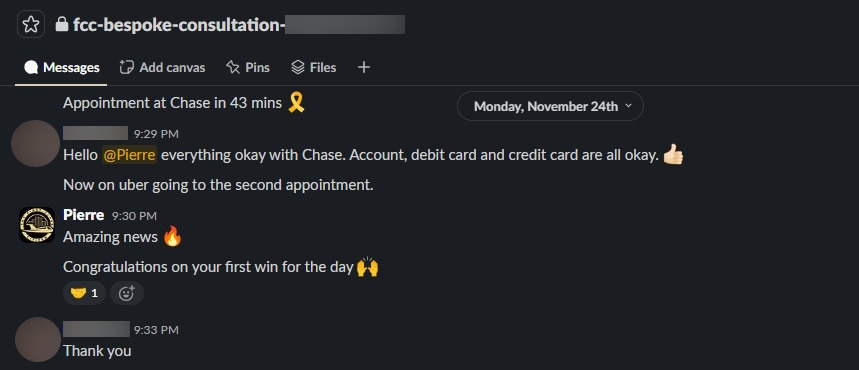

Real client wins, straight from the Hall of Wins.
The US credit series
The rest of the picture
- Find your routeTell it what you are trying to do and it maps the guides to read in order.
- ITIN document checklistPick your situation, get the exact list the IRS accepts.
- What it costsPublished prices and timelines, service by service.
- US credit calculatorWhat your spend returns at the rates issuers publish today.
FAQ
Does US Bank say anything about the ITIN?
Can I apply for the US Bank secured card with an ITIN?
How big is the deposit and what limit does it give?
Can I fund the deposit from a bank account outside the US?
What happens to the deposit if the application is denied?
Will the secured card become a normal card?
Sources
The published pages this guide draws on, each read on the date shown.
- usbank.com read 2026-08-05
- usbank.com read 2026-08-05
- usbank.com read 2026-08-05
- usbank.com read 2026-08-05
- usbank.com read 2026-08-05
The number first, then the file
US credit is built in an order: the tax number, then accounts, then a reported file that grows. First Class Citizen's credit work runs that order, and the call starts with where you are in it.
Book Your Assessment CallThis guide reports what the authorities and institutions involved publish, quoted, with the date each source was read. It is not tax, legal or immigration advice. Published rules change, and an individual case can turn on facts no page can see.

Founder & CEO, The First Class Citizen