
The Wyoming LLC, on Wyoming's Own Published Terms

Most writing about Wyoming LLCs is about why to pick Wyoming. This page is about what Wyoming actually publishes once it has been picked, because those numbers come from the state and not from anyone selling the formation.
The state's own form sets the filing fee at one hundred dollars, and publishes a processing window of up to fifteen business days from receipt.
The recurring cost has a shape rather than a single figure. Wyoming's Secretary of State publishes an annual license tax of sixty dollars or two-tenths of one mill on the dollar of assets located and employed in Wyoming, whichever is greater, with the same schedule set out in statute.
For most non-resident owners the assets side of that formula is the part worth understanding, and the state publishes its own floor: an entity with three hundred thousand dollars or less in assets pays sixty dollars.
The hundred dollars Wyoming charges, and how it takes it
Wyoming publishes the number on the Articles of Organization form itself: a filing fee of one hundred dollars.
The same form publishes how it can be paid, and the split is worth knowing before choosing a route. Visa or MasterCard payment is available for online filings only, and paper filings take a check or money order made payable to the Wyoming Secretary of State.
That is the state's charge for the filing and nothing else. What a formation service charges sits on top of it and is a separate question with a separate answer.
The state's numbers are published. What they mean for your balance sheet is a conversation.
Book Your Assessment CallHow long Wyoming says it takes
The state publishes its own window on the same form: processing time is up to fifteen business days following the date of receipt in their office.
Up to is the state's phrasing and it is left as theirs here. It is a ceiling rather than an estimate, and the clock starts on receipt rather than on submission.
Which is the practical difference between a paper filing posted from outside the United States and an online one. The document has to arrive before the fifteen days begin counting.
The annual license tax, and the floor underneath it
Wyoming does not publish a flat annual fee. It publishes a formula, and the Secretary of State states it in one sentence: these entities use the same annual license tax schedule and pay a license tax based on all assets located and employed in Wyoming, and the tax is sixty dollars or two-tenths of one mill on the dollar, whichever is greater.
The statute carries the same rule in its own words, describing a license fee based upon the sum of capital, property and assets reported, of sixty dollars or two-tenths of one mill on the dollar, whichever is greater.
Two phrases in that formula do the work for a non-resident owner. The first is located and employed in Wyoming, which is what the assets figure is measured against. The second is whichever is greater, which is what makes sixty dollars a floor rather than a rate.
And the state publishes where that floor bites: an entity with three hundred thousand dollars or less in assets pays sixty dollars.
One thing to hold alongside it, because both are published and they use different words. First Class Citizen's own Wyoming card states no corporate income tax and no annual franchise tax. What the state sets out above is an annual report license tax, which is a differently named charge from a franchise tax. Both are quoted as their authors wrote them, and which charges land on a given company is a question for the people filing it.
What counts as an asset located and employed in Wyoming for a company operating from elsewhere is a question about a specific business, and the state's published wording is the whole of what is quoted here. Where a real balance sheet lands against it is not something a page can compute.
The one thing Wyoming requires you to maintain
Wyoming's LLC Act is short about it. Each limited liability company, it reads, shall have and continuously maintain in this state a registered office and a registered agent, both as provided in the registered-office and registered-agent sections of the statutes.
The requirement is physical. The registered office must be located at a street address in Wyoming which is a physical location where the registered agent, or a natural person who has an agency relationship with the registered agent, can accept service of process and is physically present at that location.
An individual serving as agent must be at least eighteen years of age, reside in the state, and keep a business office identical with the registered office.
What the agent does is set out under its own statutory heading. Maintain a physical address. Accept service of process. Maintain the address of record to which all service of process is to be delivered for each entity represented.
The state also defines the commercial kind, which is what a formation package usually supplies: its Secretary of State writes that commercial registered agents are registered agents that represent more than ten businesses in Wyoming. The agent role in full, across both states, is here.
State settled, federal still open. That is the order the work runs in.
Book Your Assessment CallThe federal side runs on its own rules
The fee is paid and the agent is in place, and none of that has touched the questions that decide what the company later reports.
The IRS treats a domestic single-member LLC as an entity disregarded as separate from its owner unless it files Form 8832 and elects otherwise. Wyoming has no say in that, and neither does any other state. The defaults, and the window an election lives inside, are their own subject.
The EIN carries a constraint worth meeting before the filing rather than after it. Applicants with no legal residence, principal place of business, or principal office or agency in the United States or US territories are told by the IRS that they cannot use the online application and must use another method, and the routes that stay open are published.
Then the obligation that follows ownership rather than geography: what a foreign-owned LLC still files, and the figure the IRS attaches to missing it.
What is not published, on either side
On the six state surfaces read for this page, five Secretary of State pages and the compiled statutes, nothing addresses non-resident or non-US owners as a category. The residency rules that do exist bind the registered agent rather than the owner.
On the service side their published figure is a single formation price with no Wyoming-versus-Delaware split beside it. Whether the choice of state moves that price, and whether a state can be changed once the certificate exists, are the two questions their pages do not reach.
Both are short, both are theirs to answer, and both are cheaper asked before the filing than after it.
Client wins from the Hall of Wins
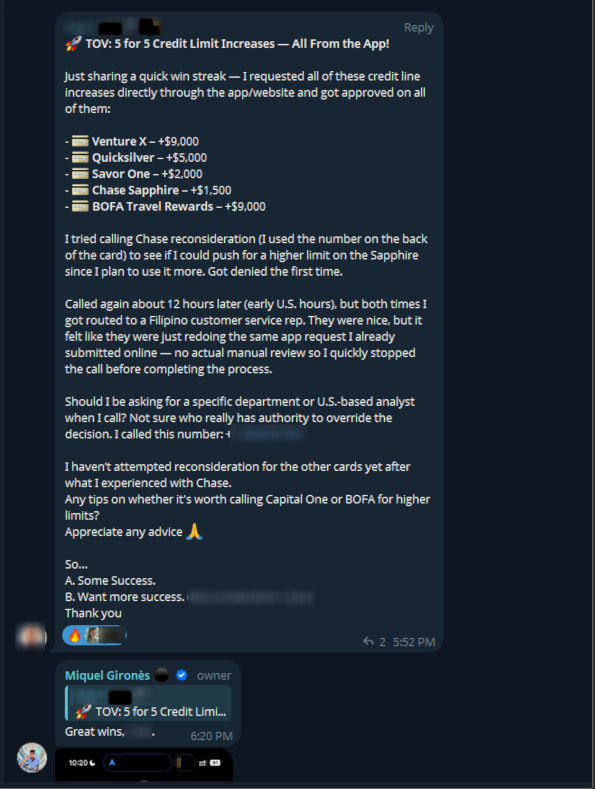






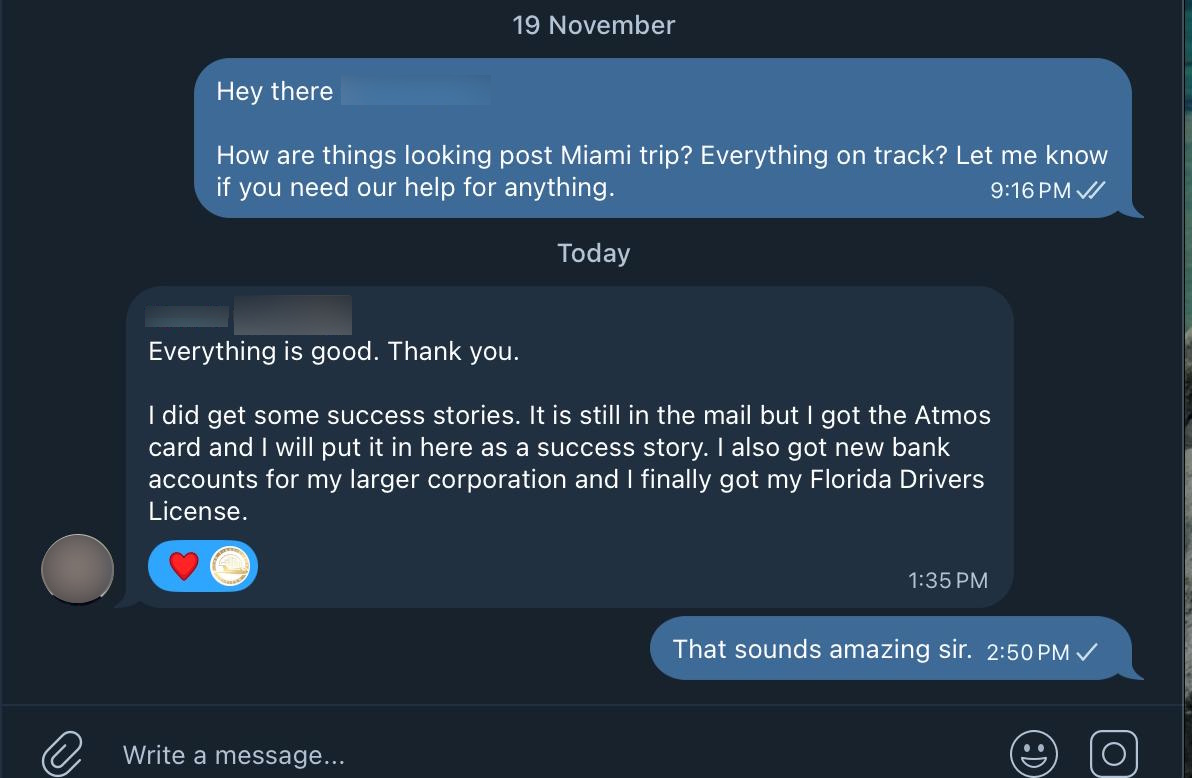



Real client wins, straight from the Hall of Wins.
The US LLC series
The rest of the picture
- Find your routeTell it what you are trying to do and it maps the guides to read in order.
- ITIN document checklistPick your situation, get the exact list the IRS accepts.
- What it costsPublished prices and timelines, service by service.
- US credit calculatorWhat your spend returns at the rates issuers publish today.
FAQ
What does Wyoming charge to form an LLC?
What is the Wyoming annual fee?
So is it always sixty dollars?
How long does the state take?
Does Wyoming require a registered agent?
Does Wyoming publish anything specific to non-US owners?
Sources
The published pages this guide draws on, each read on the date shown.
- sos.wyo.gov read 2026-08-05
- sos.wyo.gov read 2026-08-01
- wyoleg.gov read 2026-08-05
- wyoleg.gov read 2026-08-01
- sos.wyo.gov read 2026-08-01
- irs.gov read 2026-08-02
- irs.gov read 2026-08-02
The state is one field on the form
Choosing Wyoming settles a state question and leaves the federal ones open: classification, the number, the reporting. First Class Citizen's formation work runs through all of it, starting from what you are building.
Book Your Assessment CallThis guide reports what the authorities and institutions involved publish, quoted, with the date each source was read. It is not tax, legal or immigration advice. Published rules change, and an individual case can turn on facts no page can see.

Founder & CEO, The First Class Citizen