
The US LLC, for Non-Residents

A non-US resident can own a US LLC outright. No US citizenship, no green card, no US address of your own.
The company is formed in 24 to 48 hours. The Employer Identification Number follows in two to three weeks, and that number is what actually opens the business: bank accounts, Stripe, PayPal.
The part most people get wrong is tax. An LLC is a pass-through entity, so it is not taxed at the company level. What you pay depends on where you are resident, not on the fact that the company is American.
That is the whole idea behind pairing it with the right residency, and it is why the structure and the residency are two halves of one decision.
What an LLC actually does
A Limited Liability Company is a business structure that offers limited liability protection and pass-through taxation.
It exists as a separate legal entity from its owners, in the same way a corporation does. Owners cannot typically be held personally responsible for the business debts and liabilities.
That separation is the first thing you are buying. If something goes wrong in the business, the exposure sits with the company rather than with you personally.
The second thing is credibility at the counter. A US entity with a US tax number is a counterparty that banks, processors and clients already know how to deal with, which is most of why founders abroad want one.
The company is the easy half. Where you are resident is the half that decides the outcome.
Book Your Assessment CallTwenty four hours, then the number that matters
Formation is fast and largely automated. A two minute form, payment, and the incorporation documents land inside 24 to 48 hours.
The Employer Identification Number is the slower half, and the more important one. First Class Citizen quotes two to three weeks, against the three months some applicants wait.
Until the EIN exists the company cannot really trade. With it, you can open bank accounts, reach payment processors such as Stripe or PayPal, and start invoicing.
Banking splits into two routes. Online accounts such as Wise or Mercury can be opened from home. US local-branch accounts are opened in person, on a single visit.
The in-person route usually pairs with an ITIN, which is also what opens the American credit side later.
That sequence is covered in the ITIN for your US LLC and in US credit for LLC owners, and getting that number applied for is a step of its own.
Wyoming or Delaware
Two states do almost all of this work, and they are not interchangeable.
Wyoming is the default for most founders. Lower annual operating costs, no corporate income tax and no annual franchise tax, and the option to hold your shares in a Wyoming LLC or a Wyoming Trust for a further layer of asset protection. It is also the more private of the two.
Delaware earns its reputation somewhere else: the startup ecosystem. Strong legal protections for shareholders and a deep body of business law, and no state income tax on companies registered there that do not operate in the state.
The practical rule is about your next five years rather than your first one. If you intend to raise from angels or venture capital, investors prefer Delaware.
If you are running an operating business and want it lean and private, Wyoming is the one First Class Citizen puts first.
On camera, Miquel Gironès puts it this way, at 0:27 of Can A NON-US Citizen Own A US LLC? (US LLC Questions Answered):
Some are more complicated, some are so difficult that nobody creates an LLC there and some are the most popular, for example, Wyoming and Delaware because there's no state tax.
Why the company is not what determines your tax
This is the part worth reading slowly, because it is where most of the confusion lives.
An LLC allows for pass-through taxation. Its income is not taxed at the entity level. Any income or loss passes through to the owner, who reports it on their personal return and pays whatever tax is due where they hold their residency.
So the American company is not the thing that sets your bill. Your residency is.
First Class Citizen's own worked example is a resident of Paraguay, who reports LLC profit as foreign income. That is a territorial tax system doing the work, not the LLC.
Which is why the structure and the residency are one decision rather than two. What applies to you specifically depends on your own residency, your own income and your own obligations, and that is exactly what the call is for.
Wyoming or Delaware, ITIN or not, banking from home or in person. The call settles all four.
Book Your Assessment CallChoose the structure by what it can bank, not by its rate
Rate is the thing people compare, and it is the wrong axis. The company does not set your bill, so two structures with different rates change nothing on their own.
What differs is what each one can actually do. Open accounts, reach Stripe and PayPal, and get approved rather than merely apply.
That is where a US entity separates from the classic offshore company. It arrives with a tax number that banks, processors and clients already know how to deal with.
So the question worth asking is not which structure is taxed least. It is which one your money can move through.
On camera, Miquel Gironès puts it this way, at 2:24 of Can A NON-US Citizen Own A US LLC? (US LLC Questions Answered):
So, you can open bank accounts, you can open payment processors, for example, Stripe, PayPal, even Payoneer that you can use it to pay with credit cards, you can use it to pay via bank transfers.
What you are actually buying
Forming a company is the easy part of this, and it is not the part that goes wrong. What goes wrong is everything after it.
So the engagement is built around the year that follows, not the filing.
The company. Incorporation inside 24 to 48 hours, the EIN in two to three weeks, a registered agent, a virtual address in the state you choose, all filing fees and expedited processing.
Then keeping it in good standing, which is the part people forget until it lapses.
The banking. A package of online banks to open, with step by step guides built from how their own clients actually got approved, rather than a list of names and good luck. Payment processors alongside it.
The money movement. A guide to the exchanges: how to send transfers and receive money without the account problems that catch people out.
The tax side. Support for a year on how the company sits against your own country of tax residency, and how to tie it into an international structure if that is where you are heading.
The access. Questions go through a private channel rather than into an email queue. Mail is forwarded, scanned and uploaded, and every document sits in one folder behind the Sovereign Lounge dashboard.
The yearly filings and tax returns are handled as part of it, first year included. The company can be dissolved at any point.
All of that is $1,000. Which is a different number from a filing service, because it is a different thing.
What this is not
Three honest limits.
First, an LLC is not a tax strategy on its own. It is a pass-through. Without a residency that actually does something for you, forming one changes very little about what you owe.
Second, the EIN takes weeks, not hours. Anyone selling you an instant one is describing something else.
Third, they do not compete on price and they say so plainly. If the deciding factor is the lowest number, this is the wrong desk. What is on offer is speed, direct access to a team, and every structure in one place.
The company is the easy half. Where you are resident is the half that decides the outcome.
Book Your Assessment CallFounders who built the structure
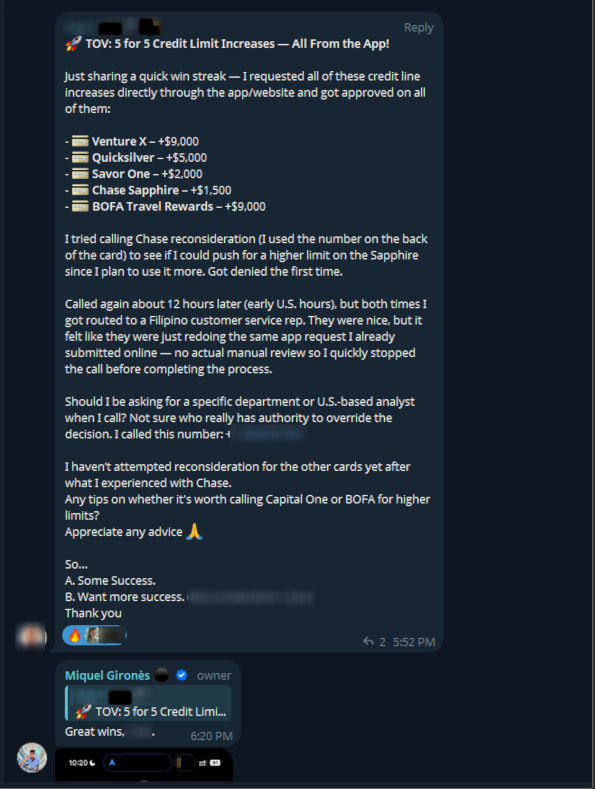
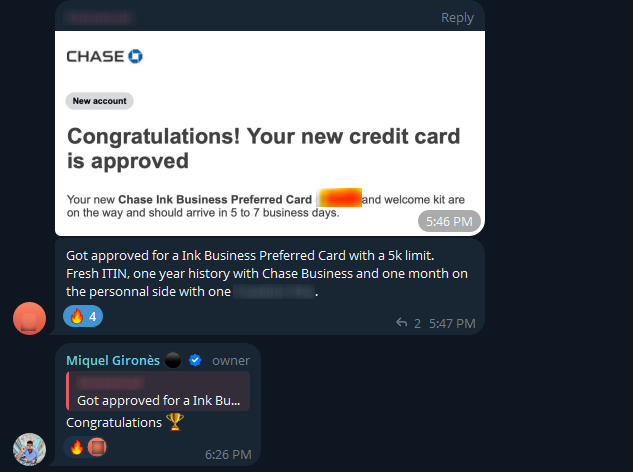



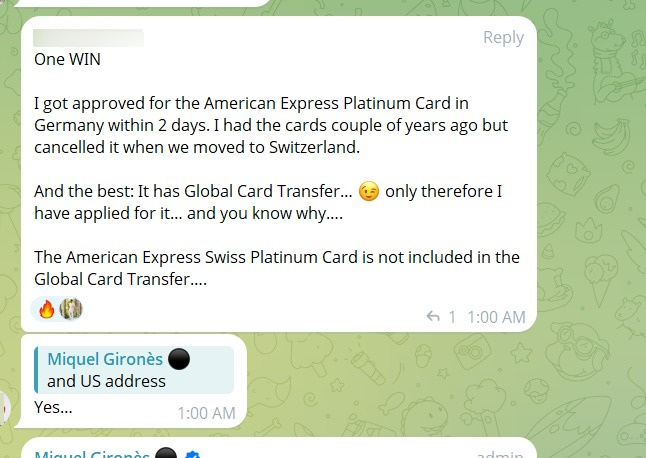
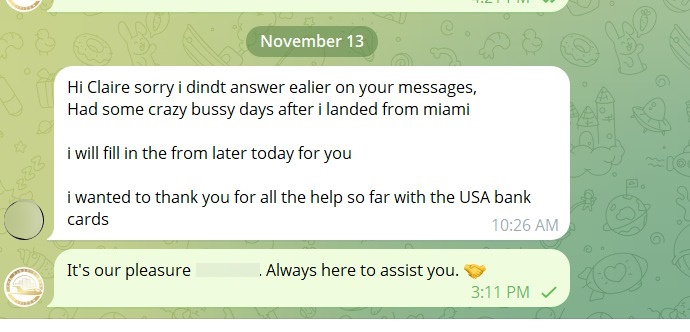
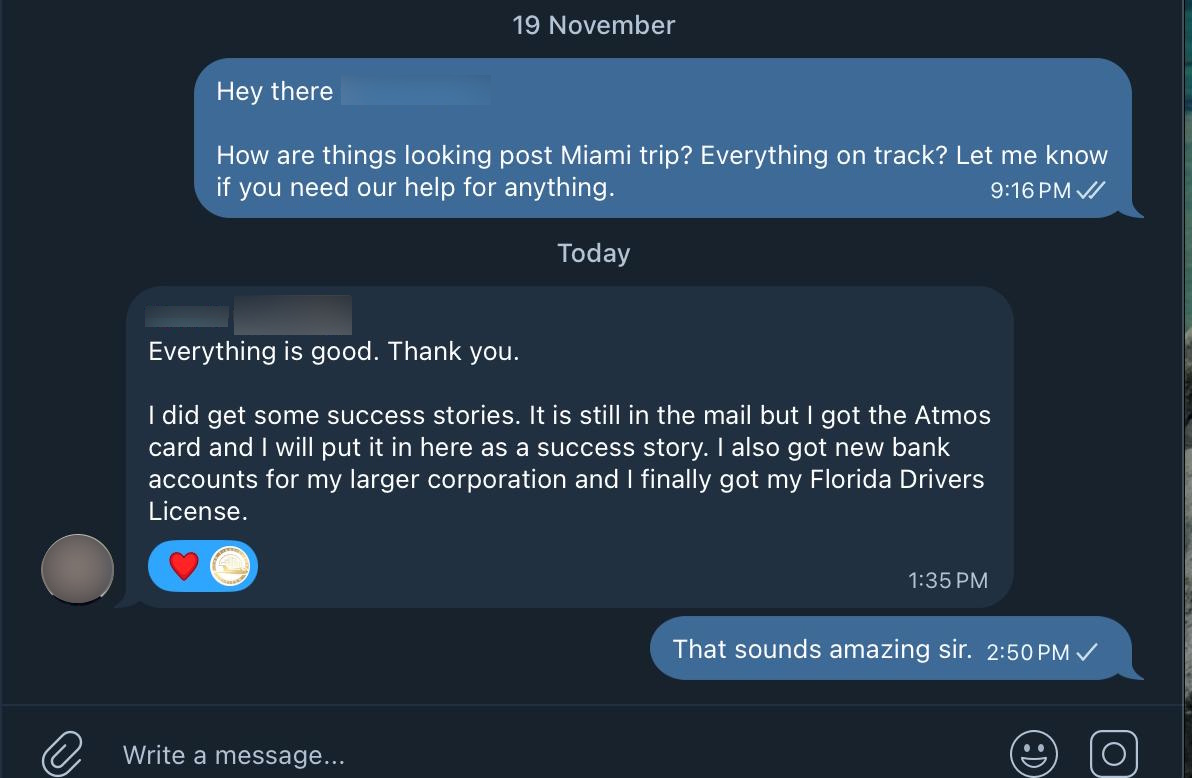

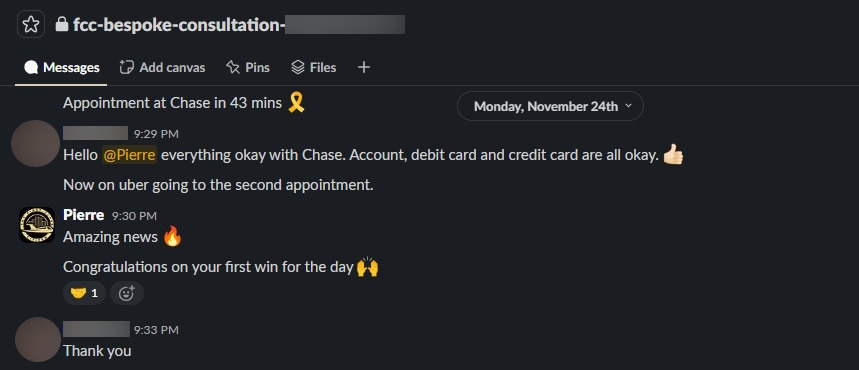

Real client wins, straight from the Hall of Wins.
The US company series
The rest of the picture
- Find your routeTell it what you are trying to do and it maps the guides to read in order.
- ITIN document checklistPick your situation, get the exact list the IRS accepts.
- What it costsPublished prices and timelines, service by service.
- US credit calculatorWhat your spend returns at the rates issuers publish today.
FAQ
Can a non-US resident own a US LLC?
How long does the whole thing take?
Do I pay US tax on a US LLC?
Wyoming or Delaware?
Can I open a bank account with it?
Can I use Stripe or PayPal?
What does it cost?
Why is it more than a filing service?
Sources
The published pages this guide draws on, each read on the date shown.
- youtube.com read 2026-08-30
- youtube.com read 2026-08-30
Form it once, and form it right
The assessment call covers the state, the banking route, whether an ITIN belongs in your setup, and how the residency side interacts with the company. Free, qualified, and direct about what applies to you.
Book Your Assessment CallThis guide reports what the authorities and institutions involved publish, quoted, with the date each source was read. It is not tax, legal or immigration advice. Published rules change, and an individual case can turn on facts no page can see.

Founder & CEO, The First Class Citizen