
The UK LLP, for Non-Residents

A UK Limited Liability Partnership is a pass-through structure. The partnership itself is not a taxable entity. The partners report their share where they are resident.
It is formed in 24 to 48 hours, and you can be receiving money into an account within about two days of that.
Two things decide whether it fits. It needs at least two partners, which First Class Citizen solves by placing one of their own limited companies as a partner at zero percent ownership, so you keep the whole business and its profits.
And the tax position turns on where business is actually conducted. If no business is conducted in the UK and all partners are non-resident, no UK tax liability arises on their FAQ's own wording.
What an LLP is, and what it is not
An LLP is a partnership, not a company with shares. Every partner is a limited partner, which is what separates it from an ordinary limited partnership and its mix of limited and general partners.
Limited liability still applies. The structure protects personal assets if something goes wrong in the business.
For tax it behaves as a pass-through. The LLP is not taxed in its own right. Each partner includes their share of the profits on their own return, in their own country of residence, personal or corporate.
If you are comparing this against the American option, the US LLC guide covers that side, and forming the American company instead is the other door. The two solve overlapping problems and the right answer depends on where your customers and your residency sit.
The partner requirement is the part that stops people. It is also the part that is already solved.
Book Your Assessment CallIt needs two partners, and you probably have one
This is the detail that stops most people, and it has a straightforward answer.
An LLP must have at least two partners. They can be individuals, legal entities such as a holding company, or a mix. There are no residency requirements for any of them.
If you are a single owner, First Class Citizen places one of their own limited companies as the second partner at zero percent ownership. You benefit from the LLP structure and still own one hundred percent of the company and its profits.
That arrangement is included in what you get, rather than something you have to go and arrange yourself.
Where the liability actually falls
Their FAQ is unusually precise here, so it is worth taking in full rather than in summary.
A UK LLP can conduct business in the UK without restriction, but doing so will usually create a UK tax burden for the partners.
Selling services and products to UK customers from abroad, through a UK LLP, is not usually deemed conducting business in the UK, and so does not usually create a UK tax liability. It may create a UK VAT liability depending on what is being sold.
Because the LLP is a pass-through, partners who are UK resident are liable in the UK on their share of worldwide profits. Non-resident partners are liable in the UK only on their share of UK profits.
Which leads to the sentence the whole structure rests on. If no business is conducted in the UK and all partners are non-residents, no UK tax liability exists in the UK.
What that means for you depends on your residency, where your customers are, and what you sell. Those are the questions the assessment call exists to answer.
Which accounts actually open
Worth being direct about this, because it is where expectations usually break.
The UK hosts some of the largest banks in the world, and non-residents will often struggle to open an LLP account with them.
The recommended route is fintech instead: Wise, Revolut, Juni and similar. They run in multiple currencies and work with the payment processors.
For processing, an LLP can apply to most of the major UK providers. Stripe is the strongest option for a business operating mainly outside sterling, because settlement can be received in euros, dollars, francs and others. PayPal works too and links to Wise, but in sterling only.
In practice the account can be live and receiving money in around two days, in five currencies.
Where your customers are and where you are resident decide the tax. The call maps both.
Book Your Assessment CallWhat comes with the partnership
A virtual UK address, which means mail received in the UK and a London business address on your paperwork.
All filing fees and expedited processing, incorporation documents inside 24 to 48 hours, and direct access to the team on Telegram.
A limited company as your second partner at zero percent ownership, if you are a single owner.
The yearly filings are handled as part of the service, with the first year included, and a copy of every document is kept online alongside the rest of your structures.
Founders who built the structure
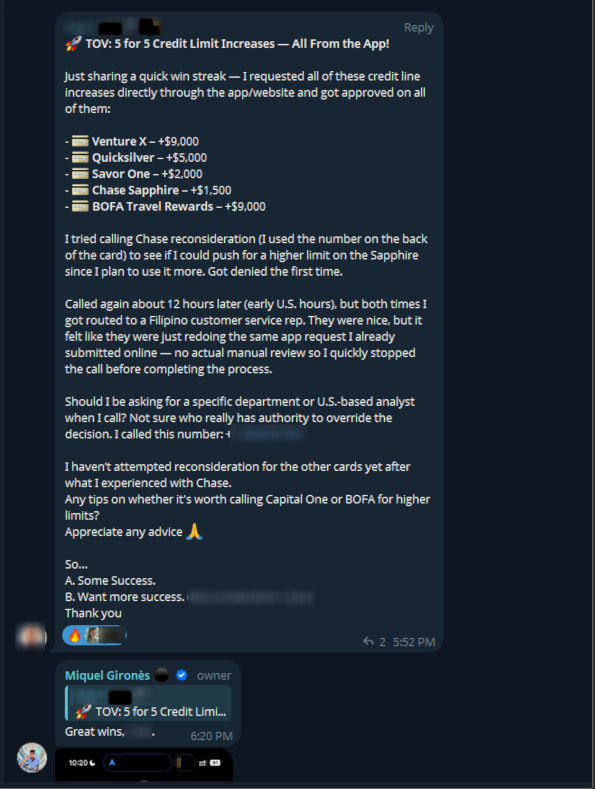




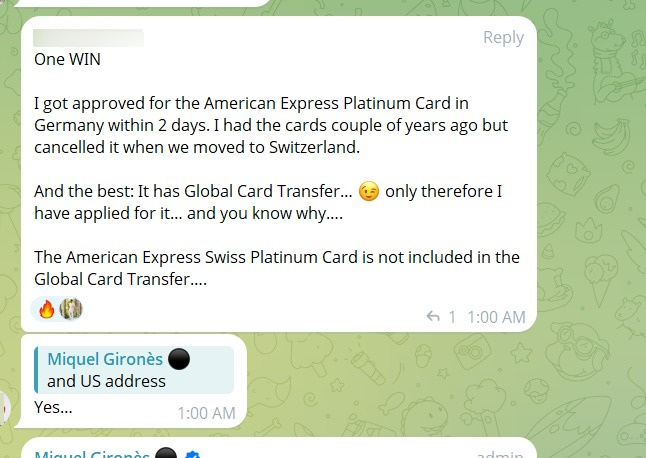
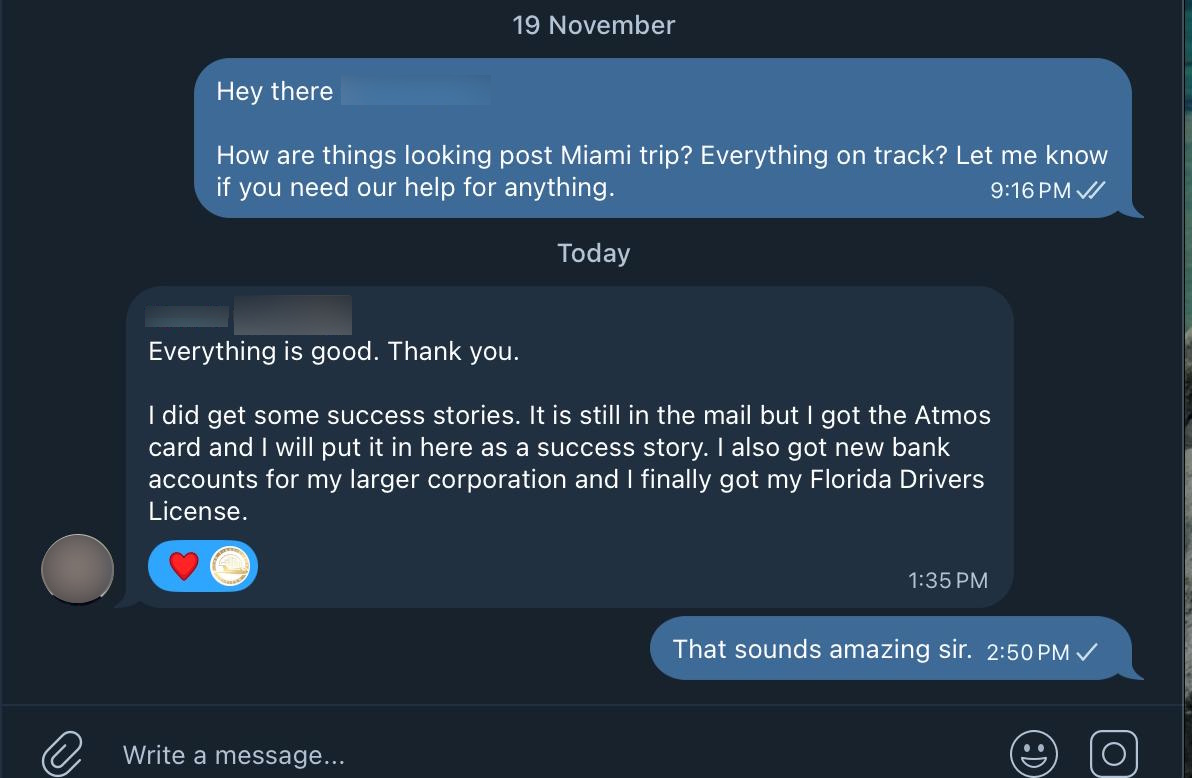



Real client wins, straight from the Hall of Wins.
The US company series
The rest of the picture
- Find your routeTell it what you are trying to do and it maps the guides to read in order.
- ITIN document checklistPick your situation, get the exact list the IRS accepts.
- What it costsPublished prices and timelines, service by service.
- US credit calculatorWhat your spend returns at the rates issuers publish today.
FAQ
How long does a UK LLP take to set up?
An LLP needs two partners. What if I do not have one?
Do non-resident partners pay UK tax?
Does selling to UK customers create a UK tax liability?
Which bank should I use?
Can I use Stripe or PayPal with a UK LLP?
Are there residency requirements for the partners?
Find out whether the LLP is your structure
The assessment call covers whether a UK LLP or a US LLC fits your situation, how the partner arrangement works, and what your residency means for the tax position. Free, qualified, direct.
Book Your Assessment CallThis guide reports what the authorities and institutions involved publish, quoted, with the date each source was read. It is not tax, legal or immigration advice. Published rules change, and an individual case can turn on facts no page can see.

Founder & CEO, The First Class Citizen