
Form 8832: The Form That Changes What Your Company Is, For Tax

Form 8832 is the IRS form an eligible entity uses to elect how it is classified for federal tax purposes: as a corporation, a partnership, or an entity disregarded as separate from its owner. Without it, default rules apply: a domestic LLC with one owner is disregarded for income tax purposes, and one with two or more members is a partnership.
Every page that calls a US LLC a pass-through is describing a default, and defaults can be changed. Form 8832 is the form that changes this one.
The instructions carry the part that matters more than the election itself. An eligible entity is classified for federal tax purposes under the default rules unless it files Form 8832 or Form 2553.
Which means a company that files nothing still has a classification. The defaults do the work, and the useful thing to know is which one applies before deciding anything else.
What your company already is, without any form
The IRS publishes two default rules, one headed domestic and one headed foreign. Which heading a given entity falls under is its own question, and the rules themselves are quoted here rather than applied.
The domestic default rule, quoted from the form's own instructions: unless an election is made on Form 8832, a domestic eligible entity is a partnership if it has two or more members, and disregarded as an entity separate from its owner if it has a single owner.
That is the sentence behind every pass-through claim about a US LLC. A domestic single-member LLC is disregarded, and a domestic LLC with at least two members is a partnership. The IRS states the same rule on its LLC pages, adding that a single-member LLC is still considered a separate entity for employment tax and certain excise taxes. Domestic is doing real work in both sentences, as the next paragraph shows.
The foreign default rule is different, and it is worth reading if the company sits outside the United States: unless an election is made, a foreign eligible entity is a partnership if it has two or more members and at least one lacks limited liability, an association taxable as a corporation if all members have limited liability, and disregarded if it has a single owner that does not have limited liability.
Notice the reversal. For a foreign entity, limited liability across all members points at corporate treatment by default, which is the opposite instinct to the domestic rule.
The default is already set. Knowing which one you are under is the useful half.
Book Your Assessment CallThe eligible entities the IRS lists
The instructions publish the list of who files, and it is worth seeing in full rather than in summary, because the categories are narrow.
File this form, they read, for an eligible entity that is a domestic entity electing to be classified as an association taxable as a corporation, or a domestic entity electing to change its current classification even if it is currently classified under the default rule.
Then four foreign-entity cases: a foreign entity with more than one owner all having limited liability electing partnership treatment, a foreign entity with at least one owner lacking limited liability electing association-taxable-as-a-corporation, a foreign entity with a single owner having limited liability electing disregarded treatment, and a foreign entity electing to change its current classification.
Every one of those is an election away from a default. Nothing on the list is a routine filing: the form exists to depart from the default rules, not to confirm them.
75 days back, 12 months forward
If an election is made, its timing is bounded on both sides. Generally, the instructions read, an election specifying an eligible entity's classification cannot take effect more than 75 days prior to the date the election is filed, nor can it take effect later than 12 months after the date the election is filed.
So the effective date can generally be backdated by up to 75 days, or set up to a year ahead, and the published rule is that an election cannot take effect outside that band.
The IRS publishes a relief route for missed timing. An eligible entity may be eligible for late election relief under Rev. Proc. 2009-41, the instructions read, if each of a set of requirements is met.
Relief has its own deadline: to obtain it, file Form 8832 within 3 years and 75 days from the requested effective date of the classification election.
Each of a set of requirements is doing real work in that sentence. The conditions are published in the same document, they are conditional on facts, and this page does not restate half of them. The form and its instructions are published together at the IRS's About Form 8832 page.
Where classification meets the foreign-owner reporting
This is where the form stops being abstract for a non-resident owner. The instructions for Form 5472 define a disregarded entity by pointing straight at this form: a DE is an entity that is disregarded as an entity separate from its owner for US income tax purposes under the regulations, and the instruction adds, see the instructions for Form 8832.
The consequence is on the same page. A foreign-owned US DE is a domestic DE wholly owned by a foreign person, and for tax years beginning on or after 1 January 2017 and ending on or after 13 December 2017 it is treated as an entity separate from its owner and classified as a corporation for the limited purposes of the section 6038A requirements that apply to 25% foreign-owned domestic corporations.
Read those two together and the shape appears. Disregarded for income tax does not mean invisible: the same entity is treated as a corporation for a reporting rule, and the filing that follows is covered on the page about what a foreign-owned LLC still owes.
Reporting and taxation are different things. That distinction is why classification is worth understanding even when no election is ever filed.
Classification decides the reporting. That is the part people find out late.
Book Your Assessment CallWhat this page will not tell you
Whether your company should make an election. That is a tax conclusion about a specific business with specific owners in a specific country, and no page has the facts for it.
What an election would cost or save. It depends on the same facts, plus the treatment on the other side of the border, which US publications do not speak to.
Whether late relief is available in a given case. The conditions are published and conditional; reading them against a real timeline is the work.
What the page does give you is the default your company is already under, the window an election has to live inside, and the reporting rule that attaches to a foreign-owned disregarded entity regardless.
Client wins from the Hall of Wins
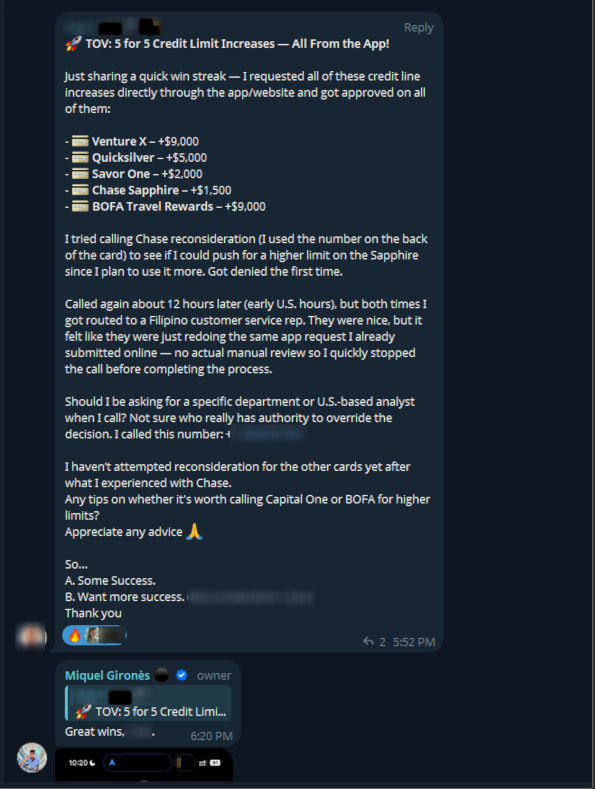
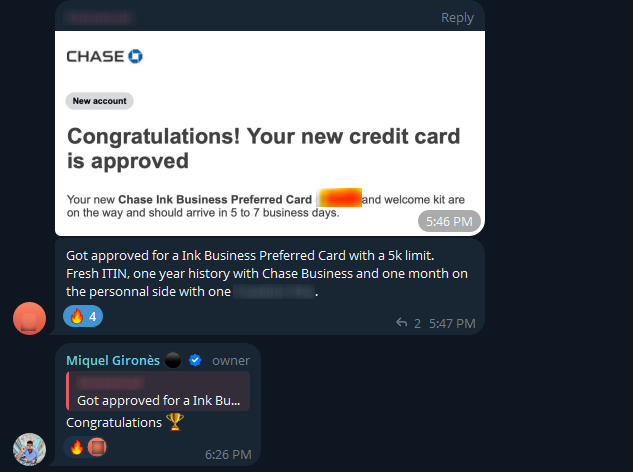



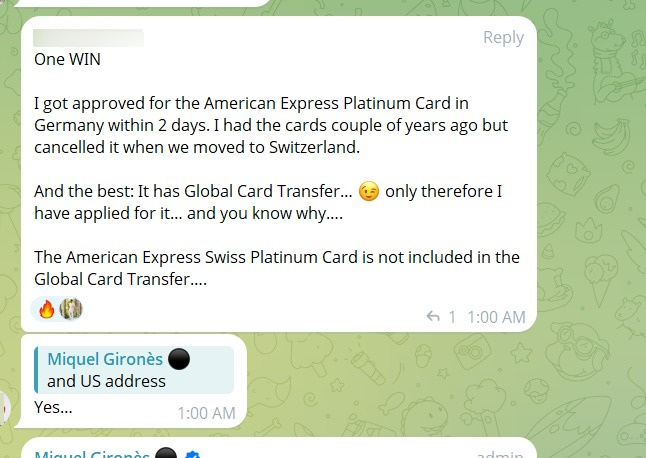

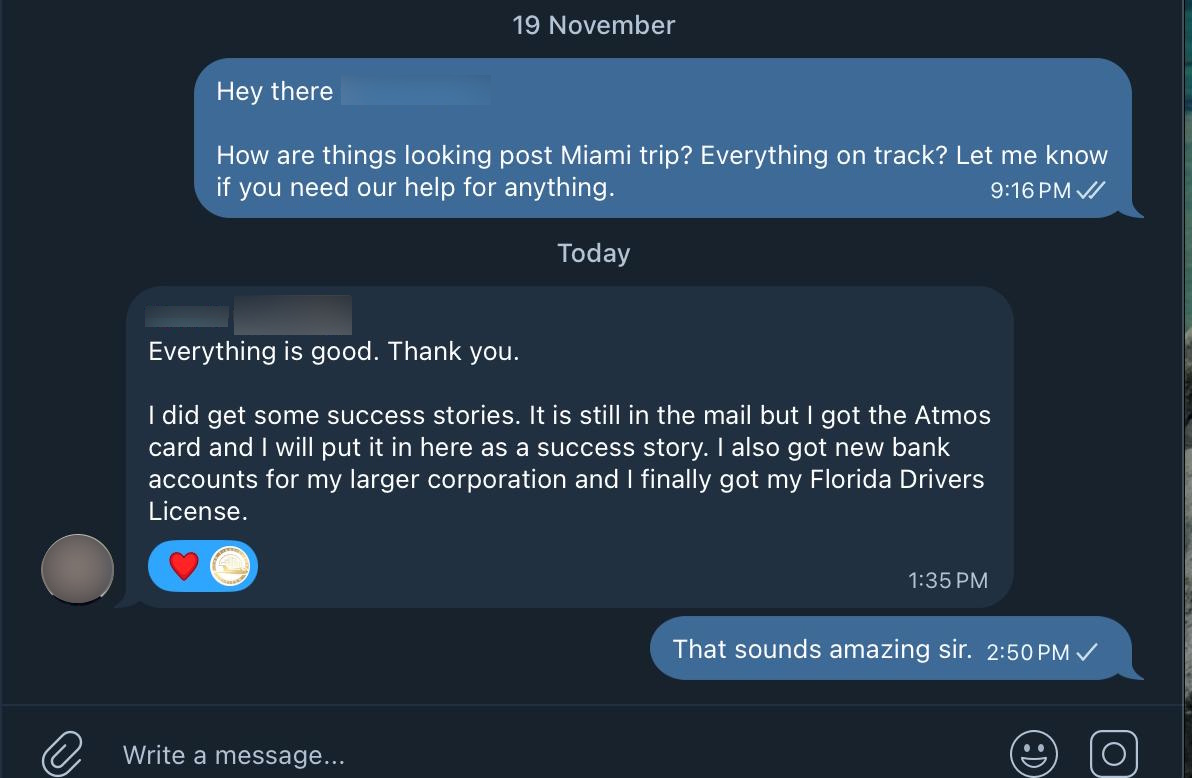



Real client wins, straight from the Hall of Wins.
The US LLC series
The rest of the picture
- Find your routeTell it what you are trying to do and it maps the guides to read in order.
- ITIN document checklistPick your situation, get the exact list the IRS accepts.
- What it costsPublished prices and timelines, service by service.
- US credit calculatorWhat your spend returns at the rates issuers publish today.
FAQ
What is Form 8832?
What is the default classification without Form 8832?
Is the default different for a company formed outside the US?
Can a foreign entity file Form 8832?
When can a Form 8832 election take effect?
If my LLC is disregarded, does that mean it files nothing?
Should I elect corporate treatment?
Sources
The published pages this guide draws on, each read on the date shown.
Get the structure decided before the filing
What a company is on paper decides what it reports later. First Class Citizen's formation work starts from what you are building rather than from a form, and the call is where that gets settled.
Book Your Assessment CallThis guide reports what the authorities and institutions involved publish, quoted, with the date each source was read. It is not tax, legal or immigration advice. Published rules change, and an individual case can turn on facts no page can see.

Founder & CEO, The First Class Citizen