
How to Start a US LLC as a Non-Resident

Six steps, and they only work in this order. State, then registered agent, then the formation filing, then the EIN, then banking, then the annual filing that arrives whether or not the company traded.
Almost every set of instructions you will find describes those six for somebody who lives in the United States. Four of them behave differently when you do not, and the IRS publishes each difference in writing.
The online EIN application is closed to you. Not slower, closed. The IRS states that an applicant with no legal residence or principal place of business in the United States "can't use the online application to obtain an EIN" and directs you to another method.
That single fact is why the order matters. Get to step four expecting fifteen minutes in a browser and the company sits formed and unusable while you find the route that was always going to apply to you.
The state, the agent and the filing are the easy half
Pick the state first, because everything after it is filed into that choice. The question is narrower than it looks, and the two candidates are set against each other on the US company guide.
The registered agent comes second and is not optional. It is the address that legally accepts service on the company, it has to be in the state of formation, and an address outside that state cannot do the job.
Third, the formation filing itself, made with that state's Secretary of State. This page names no fee and no processing time for it, because those vary by state and by service level and none of them is in this guide's source ledger.
None of the three asks for a Social Security number, which is why people reach step four assuming the pattern holds. It stops there.
The first three steps never ask for a Social Security number, which is why the fourth one catches people.
Book Your Assessment CallThe EIN, and the two lines that decide how long it takes
The Employer Identification Number is what a bank, a payment processor and the IRS all key off. Two published rules govern how you get one, and neither appears in a how-to written for a US founder.
The first is the closed door. "If you have NO legal residence, principal place of business, or principal office or agency in the United States or U.S. territories, you can't use the online application to obtain an EIN. Please use one of the other methods to apply." That is the IRS, in the Form SS-4 instructions.
The other methods are published in the same place. The international line is 267-941-1099, which the IRS notes is not toll free, open 6:00 a.m. to 11:00 p.m. Eastern, Monday to Friday. Fax runs to 304-707-9471 from outside the United States.
The second rule is line 7b, and it is the one that stops most applications. "Enter ‘foreign’ or N/A on line 7b if the responsible party doesn't have and is ineligible to obtain an SSN or ITIN. An entry is required." A blank is not an option and neither is a made-up number.
The responsible party is a person, not the company. The IRS defines it as "the person who ultimately owns or controls the entity or who exercises ultimate effective control over the entity". The full walk-through sits on the EIN without an SSN.
One more limit worth planning around: "You can apply only for 1 EIN per day, whether online or by phone, mail or fax." Two companies is two days, and it applies across every channel rather than per channel.
Two things the internet will tell you that are written for someone else
"A disregarded LLC does not need an EIN." The IRS does publish that, and the sentence is real: "A single-member LLC that is a disregarded entity that does not have employees and does not have an excise tax liability does not need an EIN."
Read the rest of it. The same passage says such an LLC "should use the name and TIN of the single member owner", which assumes an owner who holds a US taxpayer number. It also allows an EIN where one is needed to open a bank account.
And the SS-4 instructions name the obligation that sits on your version of the same company: "where a U.S. disregarded entity is wholly owned by a foreign person, to file information returns on Form 5472". That is covered on the foreign-owned filing.
"Elect S corporation status to save on tax." This one is not a nuance, it is unavailable. The IRS lists the requirements to qualify, and one of them is that the corporation "May not be... nonresident alien shareholders".
Classification is still worth understanding, because the default depends on how many members there are. One member is disregarded by default. Two or more is "classified as a partnership for federal income tax purposes" and files a Form 1065.
If an election is ever the right move, it has a window: "an election specifying an LLC's classification cannot take effect more than 75 days prior to the date the election is filed, nor can it take effect later than 12 months after".
Banking, and the filing that arrives whether or not you trade
Banking is step five and it is the step that decides whether the company is usable. It is also the one most sensitive to what you did in steps one to four, which is the argument for the order. What actually opens an account.
Step six is the annual filing. A foreign-owned single-member LLC has a reporting obligation the IRS names on the SS-4 instructions themselves, and it does not wait for the company to earn anything.
One obligation has a clock most people miss. If the responsible party changes, the IRS asks you to report it "within 60 days" using Form 8822-B.
Form it in the order that accounts for the closed door, not the order written for somebody living there.
Book Your Assessment CallWhat this page does not do
It names no state filing fee and no processing time. Those differ by state and by service level, and no Secretary of State page sits in this guide's source ledger.
It does not tell you which state to pick. That decision turns on what the company does and where it banks, and it has its own page.
It says nothing about beneficial ownership reporting. FinCEN currently publishes both an exemption for domestic entities and older guidance requiring the report, and instructs readers to disregard the older text. Where an agency publishes a rule and its opposite, this estate states neither.
And forming a company does not move where you are taxed. That depends on where you are tax resident, which is a separate question with its own answer.
Founders who built the structure
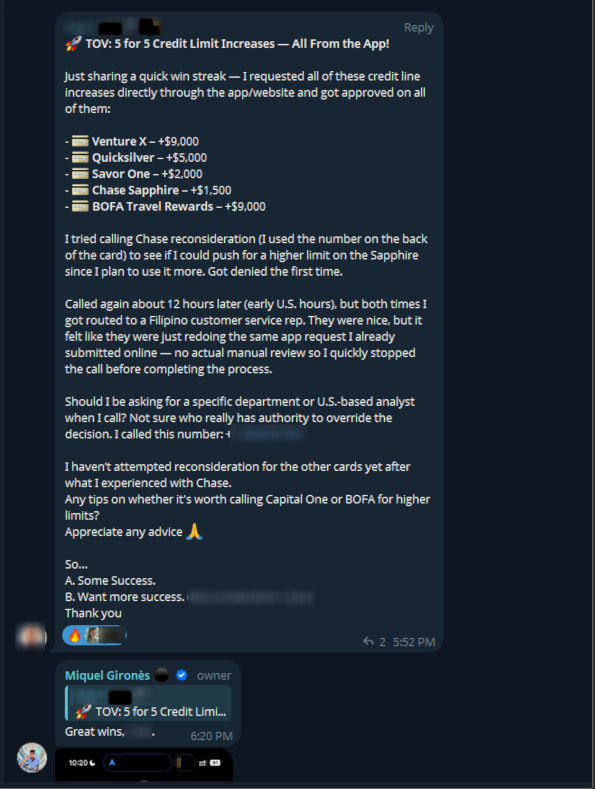




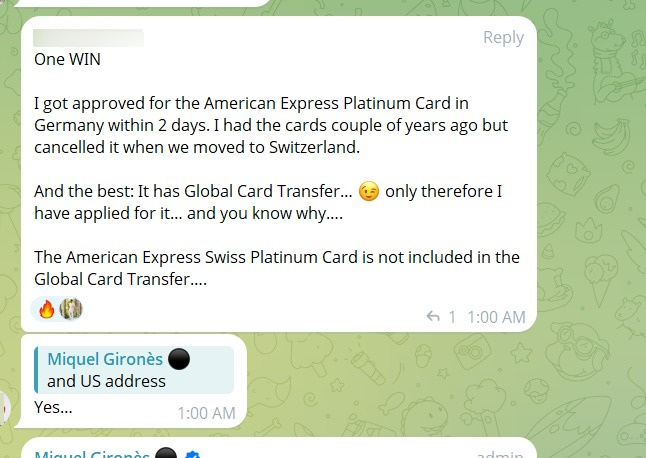
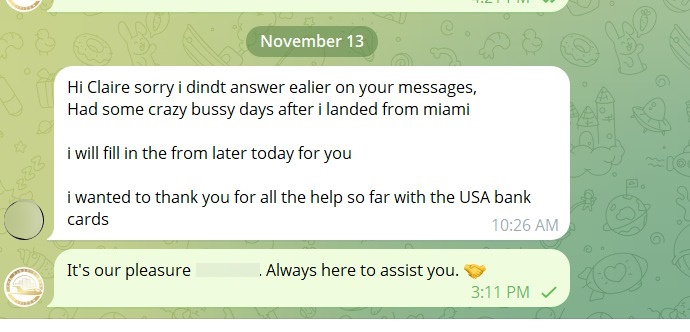
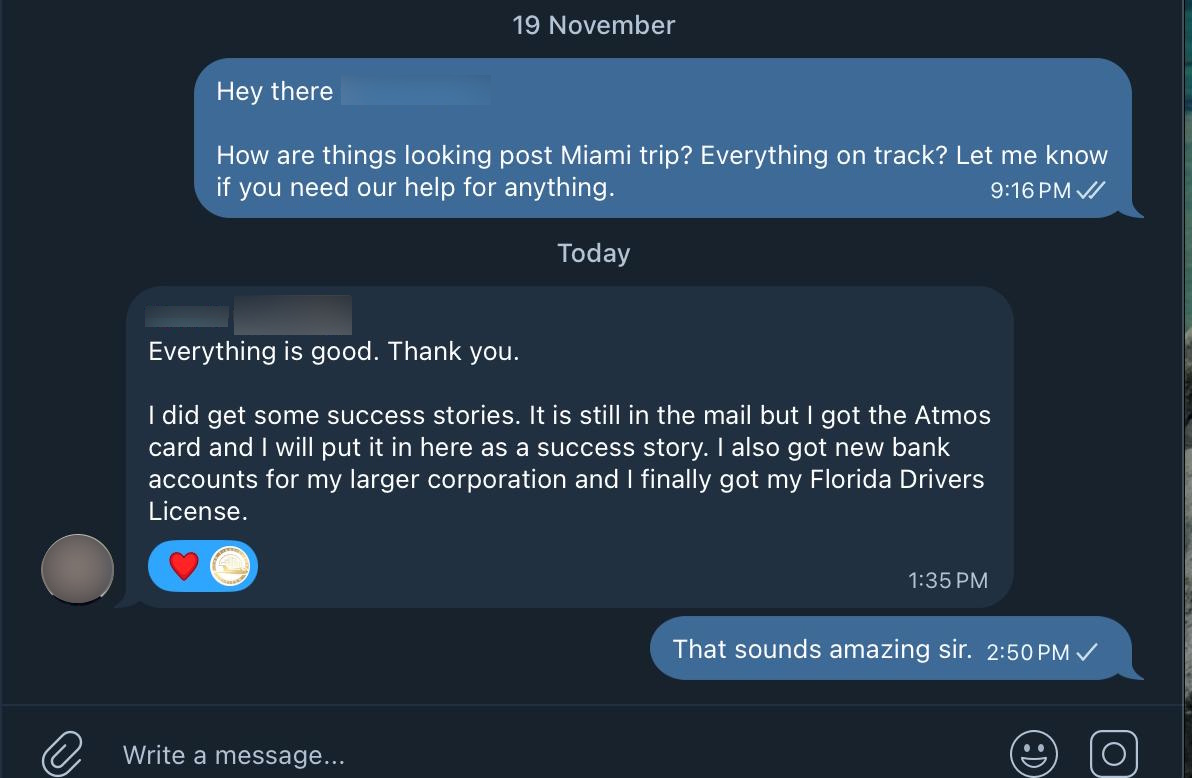



Real client wins, straight from the Hall of Wins.
The US company series
The rest of the picture
- Find your routeTell it what you are trying to do and it maps the guides to read in order.
- ITIN document checklistPick your situation, get the exact list the IRS accepts.
- What it costsPublished prices and timelines, service by service.
- US credit calculatorWhat your spend returns at the rates issuers publish today.
FAQ
Can a non-resident start a US LLC?
How do I get an EIN without an SSN?
What goes on line 7b of the SS-4 if I have no SSN or ITIN?
Do I actually need an EIN if the LLC has one member?
Should I elect S corporation status?
How many EINs can I apply for at once?
What happens if the responsible party changes?
Sources
The published pages this guide draws on, each read on the date shown.
The order for your case, before you file anything
The assessment call covers which state fits what the company will actually do, the EIN route that applies to your passport, and what the filing calendar looks like afterwards. Free, qualified, and direct about what applies to you.
Book Your Assessment CallThis guide reports what the authorities and institutions involved publish, quoted, with the date each source was read. It is not tax, legal or immigration advice. Published rules change, and an individual case can turn on facts no page can see.

Founder & CEO, The First Class Citizen