
Form W-8BEN: The Form That Establishes Foreign Status

Form W-8BEN is the form a nonresident alien gives to a withholding agent or payer to establish foreign status. The IRS says to give it when requested if you are the beneficial owner of an amount subject to withholding, whether or not you claim a reduced rate.
Most people meet this form because somebody asked for it. A broker, a platform, a payer or a bank requests a W-8BEN, and the request arrives with no explanation attached.
Two things then follow: a default that applies when the form is missing, and a clock on how long a signed one stays good. Both are published, and both are below.
The IRS's own answer on who must provide one
The instructions are direct. You must give Form W-8BEN to the withholding agent or payer, they read, if you are a nonresident alien who is the beneficial owner of an amount subject to withholding, or if you are an account holder of a foreign financial institution documenting yourself as a nonresident alien.
Nonresident alien is a defined term rather than a description, and the IRS's definition is that it means an alien who has not passed the green card test or the substantial presence test. Both tests are quoted in full here, because the form's first question is really that one.
Then comes the clause that matters to anyone running a US company from abroad. If you are the single owner of a disregarded entity, the same instruction reads, you are considered the beneficial owner of income received by the disregarded entity.
A single-member LLC is the common shape of that sentence. The income arrives at the company; the IRS looks through to the owner for this purpose.
The form is the easy half. Which treaty applies to you is the half worth a conversation.
Book Your Assessment CallThe 30 percent this form sits against
The instructions set the scene before they set the rule. Foreign persons, they read, are subject to US tax at a 30% rate on income they receive from US sources of certain listed kinds.
That rate is the backdrop, and the form is what documents who you are against it. The published consequence of not providing one is stated twice, in slightly different words, and the hedging in both is worth preserving.
The first is addressed to the recipient: provide the form before income is paid or credited to you, because failure to provide a Form W-8BEN when requested may lead to withholding at the foreign-person withholding rate of 30% or the backup withholding rate under section 3406.
The second is addressed to the agent: if you do not provide this form, the withholding agent may have to withhold at the 30% rate, the backup withholding rate, or the rate applicable under section 1446.
May, in both sentences, is the IRS's word and not a softening of it here. What a particular payer does turns on the payment and on the agent's own obligations, which is exactly why the instruction is written that way.
The claim the form can carry, and its conditions
The second job is conditional and the instructions frame it that way. If applicable, they read, claim a reduced rate of, or exemption from, withholding as a resident of a foreign country with which the United States has an income tax treaty and who is eligible for treaty benefits.
Read that clause slowly, because it contains two separate requirements. A treaty must exist between the United States and the country. And the person must be eligible for benefits under it.
The form asks you to name the country. If you are claiming treaty benefits for payments subject to withholding under chapter 3 or under section 1446, the instruction for line 9 reads, identify the country where you claim to be a resident for income tax treaty purposes, and it adds the definition that decides it: for treaty purposes, a person is a resident of a treaty country if the person is a resident of that country under the terms of the treaty.
The treaty's own terms, in other words, not the passport and not the address. And for certain claims the form asks for more precision still: the line 10 instruction requires you to include the relevant treaty article.
Which is why no page can tell you your rate. The article that applies, and whether you qualify under it, are determined by a specific treaty read against specific facts. That is a conversation, and on a YMYL subject it is the honest answer rather than a hedge.
How long a signed form stays valid
There is an expiry, and people miss it because nothing announces it. A Form W-8BEN generally remains in effect, the instructions read, for purposes of establishing foreign status, for a period starting on the date the form is signed and ending on the last day of the third succeeding calendar year, unless a change in circumstances makes any information on the form incorrect.
The IRS gives its own worked example: a Form W-8BEN signed on September 30, 2015, remains valid through December 31, 2018.
Note what the example shows. The clock runs to a year end rather than to an anniversary, so a form signed late in a year gets a shorter run than one signed in January.
There is also an exception in the other direction, published in the same place: under certain conditions a Form W-8BEN will remain in effect indefinitely until a change of circumstances occurs.
And the change-of-circumstances clause is the one that does not wait for any clock. If the facts on the form stop being true, its validity is what changes first.
Foreign status first, everything else after it.
Book Your Assessment CallWhen it is W-8BEN-E instead
One line in the instructions saves a rejected submission. Where the filer is a foreign entity documenting its foreign status, its chapter 4 status, or claiming treaty benefits, the instruction says to use Form W-8BEN-E instead.
So the split is individuals against entities, and the E is the entity version. Anyone who has been sent the wrong one has usually been sent it because the requester guessed which side of that line they were on.
It is not filed with the IRS
This one sentence prevents the most common wasted step. Do not send Form W-8BEN to the IRS, the instructions read. Instead, give it to the person who is requesting it from you.
The form is documentation held by the withholding agent, not a return. It travels to whoever asked, and it stays there. The full line-by-line instructions are published at the IRS's own instructions for Form W-8BEN.
What this page will not do
Tell you whether a treaty covers you, or at what rate. That is decided under a specific treaty's own terms, and the IRS's own wording makes the treaty the authority rather than the form.
Tell you what a given payer will actually withhold. The instructions themselves say may, twice, because the answer depends on the payment and the agent.
Walk you through the boxes. The IRS publishes line-by-line instructions and they are the correct place for that; a half-restatement is worse than a pointer.
What this page is for is the shape: what the form does, what it does not do, and which of the two questions on it is actually the hard one.
The form is the easy half. Which treaty applies to you is the half worth a conversation.
Book Your Assessment CallClient wins from the Hall of Wins
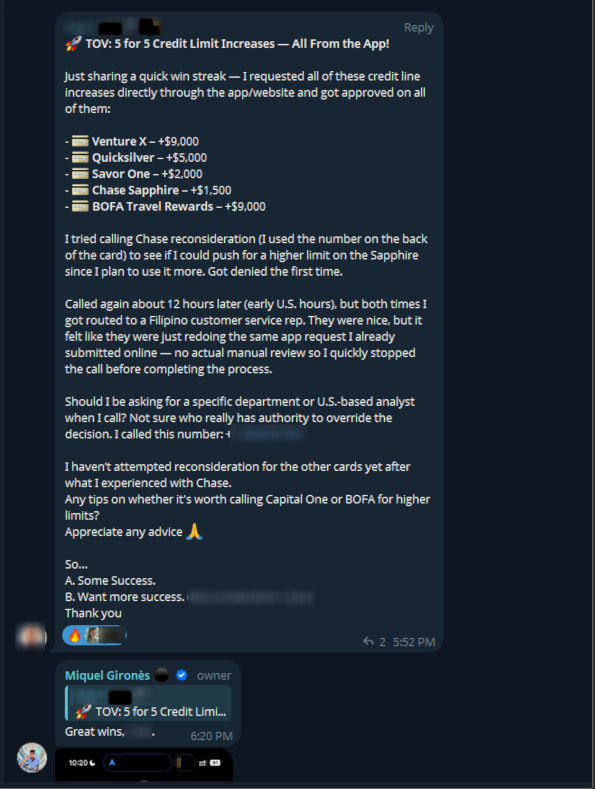






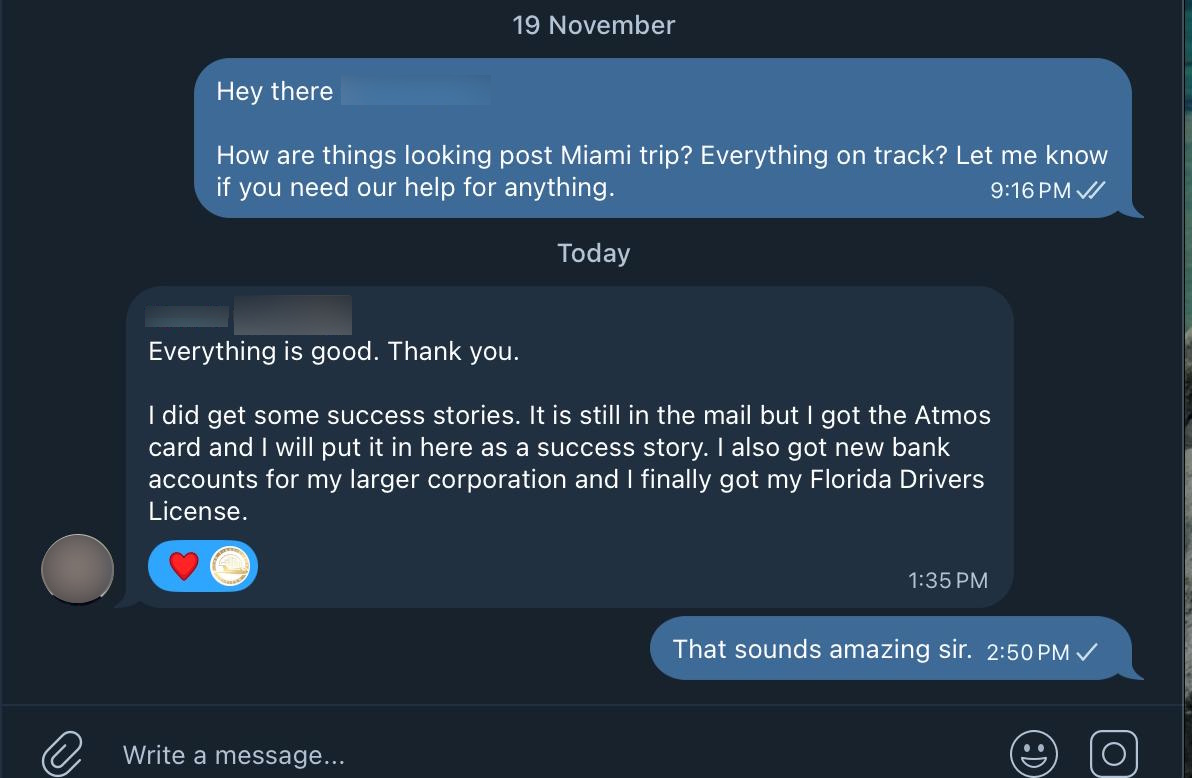



Real client wins, straight from the Hall of Wins.
The ITIN series
The rest of the picture
- Find your routeTell it what you are trying to do and it maps the guides to read in order.
- ITIN document checklistPick your situation, get the exact list the IRS accepts.
- What it costsPublished prices and timelines, service by service.
- US credit calculatorWhat your spend returns at the rates issuers publish today.
FAQ
What is Form W-8BEN for?
Do I still need a W-8BEN if my country has no US tax treaty?
Who fills out a W-8BEN, the payer or the non-resident?
What happens if I do not provide a W-8BEN?
How long does a signed W-8BEN last?
Is it W-8BEN or W-8BEN-E?
Do I file it with the IRS?
Can you tell me my treaty rate?
Sources
The published pages this guide draws on, each read on the date shown.
The paperwork has an order
Status, then the number, then the accounts and the company. First Class Citizen's work runs along that order, and the call starts by establishing where you actually stand in it.
Book Your Assessment CallThis guide reports what the authorities and institutions involved publish, quoted, with the date each source was read. It is not tax, legal or immigration advice. Published rules change, and an individual case can turn on facts no page can see.

Founder & CEO, The First Class Citizen