
Mexican Residency, and the Passport Behind It

Mexico has three doors and they lead into each other. Temporary residency, permanent residency, then a passport.
Temporary residency is valid for four years. Permanent residency never expires. The passport becomes available two years after permanent status, and Mexico allows dual citizenship.
Most applications need remarkably little: a passport scan. The complexity is in the route you qualify for, not the paperwork.
One thing to separate early. A residency permit is an immigration status. Whether you become a Mexican tax resident is a different question with a different answer, and it is worth settling before you apply rather than after.
Temporary, permanent, passport
Temporary residency runs four years and converts to permanent at the end of it. It is the ordinary path in.
Permanent residency is the one people actually want. Once granted it does not expire. Some applicants qualify for it directly rather than serving the four years first.
The passport opens two years after permanent residency. It also opens through marriage after a year, or through a child born in Mexico.
That passport carries visa-free access to more than 151 countries, and Mexico permits dual citizenship, so it is additive rather than a trade.
On camera, Miquel Gironès puts it this way, at 9:43 of Turn $10,000 into Global Freedom: The Best Countries & Setups:
Permanent never expires and then from permanent residency, you can get citizenship, Mexican citizenship, which is amazing.
Which door you qualify for decides everything else. That is the first thing the call establishes.
Book Your Assessment CallWhat each route actually asks for
Less than most people expect.
Temporary residency: a passport scan. Permanent residency after four years of temporary: a passport scan. Permanent residency directly, where you qualify: a passport scan.
The work visa is the exception and it is exacting. A contract with a Mexican employer, an invitation letter from that employer, who must be registered with the Instituto Nacional de Migracion, and an appointment at the nearest consulate or embassy.
On that route, a missing document or a missing detail inside a document means rejection. It is not a route to improvise.
How long each one takes
Temporary residency completes in about thirty business days and is valid for four years.
Permanent residency also completes in about thirty business days and includes the CURP, the national identity number you will need for almost everything else.
Where you qualify for permanent residency directly, there are two shapes. Around ten days in the Riviera Maya with their team including biometrics, or roughly thirty days in another state, which requires flying there.
First Class Citizen has run more than 1,000 Mexican residencies over the past nine years, with teams in the leading states.
Immigration status is not tax residency
This is the part to get right, and it is where the two ideas get confused.
Holding a residency card is an immigration status. Tax residency is decided separately, by where your life is actually centred, and it does not follow automatically from a permit.
Their own guidance draws the line at citizenship rather than residency: depending on your ties to the country, becoming a citizen can create a tax liability, and they advise planning that before pursuing the passport.
Take that seriously. It is the rare case of a provider telling you to slow down before buying the more expensive thing.
What applies to you depends on where you spend your time, where your income arises, and what your current country says about leaving.
If a low tax outcome is the actual goal, Paraguay's territorial system is the more direct instrument, and the US LLC guide covers how a structure sits on top of a residency.
Residency is immigration. Tax residency is separate. Worth settling before you apply, not after.
Book Your Assessment CallThe documents behind the document
A residency on its own is a card. What makes it usable is the set of numbers underneath.
The CURP, the national identity number. The RFC, the tax number. Bank accounts, personal and corporate, in pesos and dollars.
Driving licences for car and motorcycle, obtainable in a day in person if you already drive.
And the structures: a Mexican company, an SA de CV or a SAPI, and a Mexican trust, which is what allows a foreigner to hold property near the coast.
Worth knowing before you apply
Three honest notes.
First, nationality affects difficulty. Chinese and Russian applicants are more complex, though First Class Citizen has obtained visas for both. Done improperly, an airport refusal is a real risk for those nationalities.
Second, healthcare is not automatic. Residents with permanent status or a work visa can enrol in the public IMSS system, and many foreigners carry private insurance alongside it. Many medical professionals do not speak English.
Third, Mexico is a lifestyle and access decision more than a tax one. If the objective is purely tax, this is probably not the jurisdiction you are looking for.
And if the objective is a second passport that may already run in your family, having your ancestral line researched is a different route to it.
Client wins from the Hall of Wins







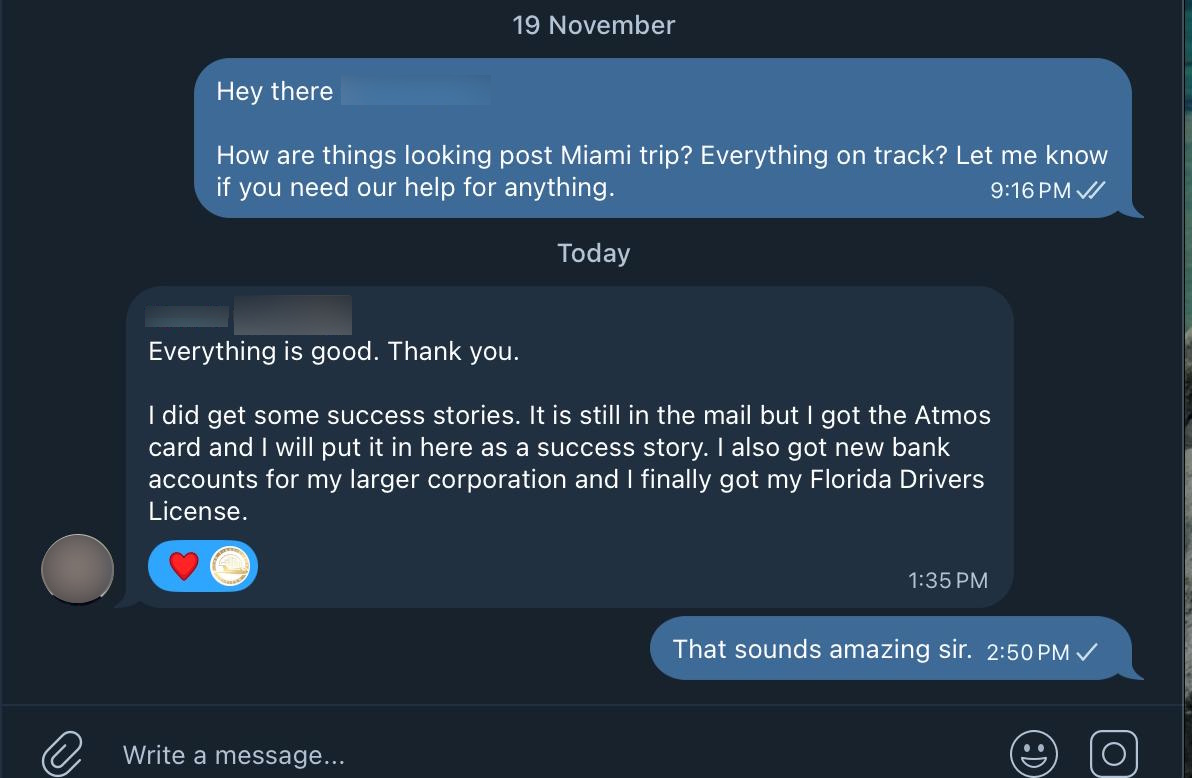



Real client wins, straight from the Hall of Wins.
The rest of the picture
- Find your routeTell it what you are trying to do and it maps the guides to read in order.
- ITIN document checklistPick your situation, get the exact list the IRS accepts.
- What it costsPublished prices and timelines, service by service.
- US credit calculatorWhat your spend returns at the rates issuers publish today.
FAQ
How long does Mexican temporary residency take?
Does Mexican permanent residency expire?
What do I need to apply?
When can I apply for a Mexican passport?
Will Mexican residency make me a Mexican taxpayer?
Can any nationality apply?
Can a foreigner own property on the coast?
Sources
The published pages this guide draws on, each read on the date shown.
- youtube.com read 2026-08-30
Find out which route you qualify for
The assessment call establishes whether you can take permanent residency directly or need the four year path, what your nationality means for the application, and how the tax question actually applies to you. Free, qualified, direct.
Book Your Assessment CallThis guide reports what the authorities and institutions involved publish, quoted, with the date each source was read. It is not tax, legal or immigration advice. Published rules change, and an individual case can turn on facts no page can see.

Founder & CEO, The First Class Citizen