

A fact with no published source does not go on the page
Every third-party fact on these guides comes from the organisation that published it. Not a summary of it, not a rewrite: the sentence they printed, stored with the address it came from and the date we read it. As of this writing that store holds 205 such quotes.
The IRS for what an ITIN is and what it is not. A Secretary of State for what a company owes that state. A bank for what that bank says about its own product. The rule underneath all of it is simple. An organisation is an authority on itself and on nothing else, so a bank describing what the industry does is reporting, not committing.
Where nobody publishes an answer, we say so and stop. That leaves visible gaps on these pages. It is the honest shape of the topic, and filling those gaps with a confident guess is exactly how the rest of this niche reads.
Reading how the checking works is one thing. Whether any of it applies to your situation is a different question.
Book Your Assessment CallThe build refuses to publish a claim we cannot back
The rule is not a promise anyone keeps by remembering. It is enforced by the software that builds these pages, and it runs on every change.
Eighteen automated checks read the finished pages rather than our intentions. One of them compares every quotation on the page against the stored original, character by character. A quotation that has been tidied, shortened without marking the cut, or attributed to the wrong publication stops the build. Nothing ships past it, including when we are the ones who got it wrong, which has happened and was caught this way.
Twenty of those quotations sit on a single page about how the United States taxes non-residents. It went through four rounds of adversarial review before it was published. Every failure found in those four rounds was in our own prose, never in a quote.
When two official sources disagree, we print both and pick neither
Official sources contradict each other more often than anyone expects, and the usual response is to quietly choose the tidier number. We mark those claims contested instead, and a contested claim cannot be cited anywhere on this estate. Fourteen currently carry that mark.
Delaware is the clearest example and it is live on our Wyoming and Delaware comparison. The state statute gives one figure for the annual tax on an LLC. The Division of Corporations gives a different one on its own instructions page. Both were read the same day. Our table prints both, names where each came from, and declines to tell you which is right, because we do not know and neither does anyone else quoting only one.
Paraguay contradicts itself in nine separate places across the material we checked. When the answer arrived from the party who actually runs the service, the pages already published were corrected to match, and the superseded wording is now blocked from reappearing anywhere.
What this method still cannot do
A standard that only describes its strengths is marketing. These are the edges, stated so you can weigh what you read here.
The checks prove a quotation matches what we stored. They cannot prove the organisation has not rewritten its page since. A quote read months ago and still accurate on our side can be out of date on theirs, which is why the date we read it is printed beside every source rather than hidden.
The full binding is in force on the pages that declare it, thirteen of them today, and the rest of the estate is being brought onto the same footing. Where a page does not yet carry its sources list, that is the reason, and it is a gap we are closing rather than one we would rather you did not notice.
No check catches a page where every quote is accurate and the argument around them still leads somewhere the sources do not support. That failure is ours to avoid and yours to challenge, and it is the reason none of this replaces advice about your own situation.
The method is public. What it means for your case is what the call is for.
Book Your Assessment CallHow to check us, and how to check anyone else
Take the source list at the foot of a page and open one. If the sentence we quoted is not on the page we pointed you at, we have made a mistake and it is worth telling us about.
The same test works on anything else you read about this subject. Find one specific claim, a fee, a deadline, a rule about who qualifies, and try to trace it to whoever is supposed to have published it. Most of what is written about ITINs and US companies does not survive that, and the pages that do are the ones worth your time, whether or not they are ours.
Client wins from the Hall of Wins
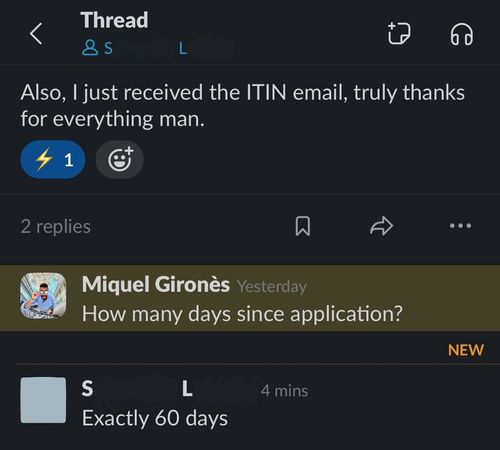
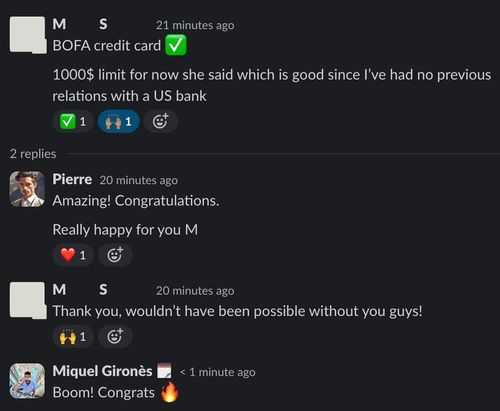

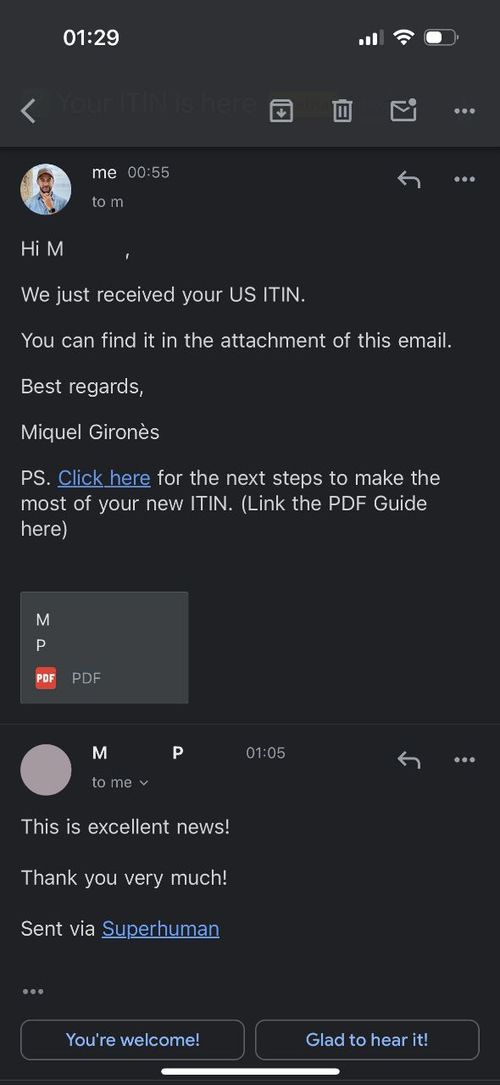



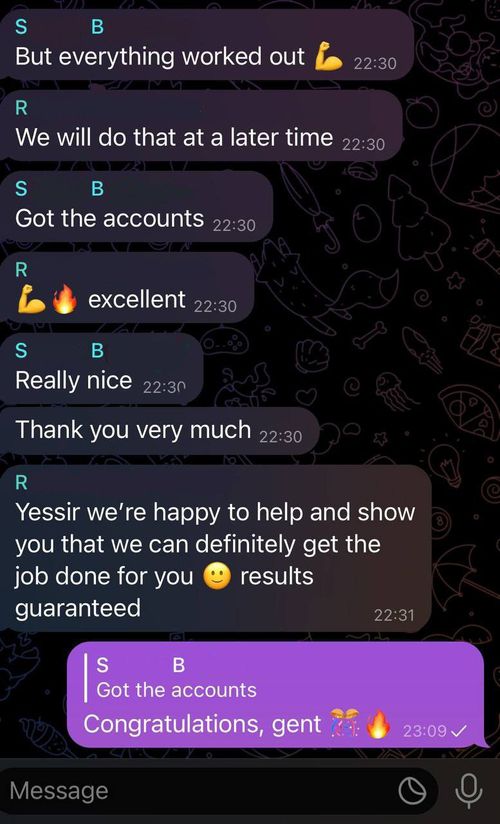
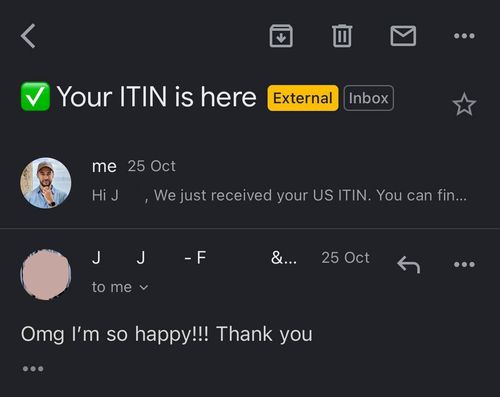


Real client wins, straight from the Hall of Wins.
The rest of the picture
- Find your routeTell it what you are trying to do and it maps the guides to read in order.
- ITIN document checklistPick your situation, get the exact list the IRS accepts.
- What it costsPublished prices and timelines, service by service.
- US credit calculatorWhat your spend returns at the rates issuers publish today.
FAQ
Where do the numbers on these guides come from?
What happens when two official sources disagree?
How do you know a quote has not been altered?
Does this apply to every page?
What can this method not catch?
What should I do if I find something wrong?
Bring the questions this page cannot answer
These guides report what is published. The assessment call covers the part no page can reach, which is your own situation, what actually applies to it and in what order. Free, qualified, and direct about what does not apply to you.
Book Your Assessment CallThis guide reports what the authorities and institutions involved publish, quoted, with the date each source was read. It is not tax, legal or immigration advice. Published rules change, and an individual case can turn on facts no page can see.

Founder & CEO, The First Class Citizen