
Armenian Permanent Residency, Obtained Without Travelling

Armenia is the residency First Class Citizen publish as fully remote, with travel optional rather than required. Their page states it plainly: the application runs one hundred percent remotely, and the residency is approved within thirty days of the documents being submitted.
Compare that with Paraguay, which needs one to three days on the ground in Asunción after thirty to sixty days of preparation, then a second one-day visit for the tax number, on their sales page's own count, with further trips on their other surfaces. Armenia asks for no trip at all. Going is offered as an option for people who want to see the capital, never as a requirement.
What it is not is a passport. Permanent residency is a status, not a citizenship, and on their own published path the two sit three years apart.
That distinction is the first thing this page will be precise about, because it is the one most often blurred.
Permanent residency, and what it is not
Permanent residency is a status Armenia grants you. It is not a nationality, and it does not come with an Armenian passport.
What it does come with is physical: a printed residency ID card, valid for five years, which their page describes as allowing you to travel to and live in Armenia without limit, with fast and easy border control. Alongside it they list full rights to live, work and invest in Armenia permanently.
The passport is a separate application, three years later. Their page puts it this way: after three years of permanent residency you can pursue Armenian citizenship and a second passport, and it extends the same three year naturalisation window to dependents, including parents. Once the main applicant is approved, they state that spouses, children and parents can obtain citizenship in thirty days.
Here is the part worth reading slowly, and it is in their own copy. The certificate of permanent residency is described as something needed in the future to increase the chances of citizenship approval. Chances, not entitlement. Their FAQ is equally direct about who decides: the final decision on any residency application rests with the Armenian immigration authorities.
So the accurate sentence is that permanent residency is granted and citizenship is applied for. What year three actually asks of an applicant, in language, records or presence, is not published on their page. It is a question for the call, and it is the right question to ask before you start, not after.
Their page also states that dual citizenship can be maintained with no need to renounce your current nationality. Whether that holds for you is decided by your own country’s law rather than Armenia’s, which is why it belongs in a conversation about your situation and not in a line on a page.
On camera, Miquel Gironès puts it this way, at 0:58 of This Country Gives You a Passport in Just 3 Years:
If you have Armenian permanent residency like this one, this is how you can turn it into citizenship. You need time in the country. You cannot just get the permanent residency and wait and voila. You actually need to spend time in Armenia.
Thirty days is the processing window. What happens before your file is in is the part worth planning.
Book Your Assessment CallWhy this one needs no trip, and Paraguay does
Their page is unusually specific about why the standard route normally requires a flight, and naming those four things is what makes the remote claim checkable.
A trip is normally needed to pass the mandatory health exam, to have the profile picture taken, to sign legal documents, and to make the donation or the investment in local currency. Four physical acts, in one country.
Their answer is to move three of them off your calendar and onto someone else’s. Working with local partners, they prepare the documents, make the official translations, apply the official stamps, handle the currency exchange, and present the documents on your behalf under a Power of Attorney. Some of those documents you post by mail.
Which means two things are real and worth planning for. A Power of Attorney has to be drafted, signed and returned. And there is a postal leg. Neither needs a flight. Both need a signature and a working address.
The health exam is the one they name and then do not explain. How it is satisfied when the applicant never lands in Yerevan is not stated anywhere on the page, and it is a fair and specific thing to put to them on the call.
Set against Paraguay, the contrast is the whole reason this lane exists. That route runs thirty to sixty days of document preparation, then one to three consecutive days in Asunción, then a second one-day return visit for the RUC. Armenia asks for none of it. If your constraint is the calendar rather than the country, that is the difference that matters.
What the thirty day clock actually covers
Thirty days appears repeatedly on their page, and it means one specific thing.
They publish that the residency is approved within thirty days after the documents are submitted, and that the printed card is ready thirty days after the application is submitted. Their own framing is that they are one of the few partners globally able to secure Armenian permanent residency fully remotely in thirty days.
Read honestly, that is a processing window that opens once your file is in. It is not a countdown from the day you decide.
In front of it sits the part with no published duration: the online form, which they put at under five minutes, the passport scan and profile picture they validate before anything is mailed, the choice between the two routes, and then the Power of Attorney and the postal leg. None of that carries a stated timeline.
So the calendar question worth asking is about the front half, not the thirty days. The thirty days is the part they have already committed to in writing.
On track record, their page publishes more than 180 successful Armenian residencies over the last six years, and a physical office in the capital with a team on the ground in Yerevan.
The government donation and the investment route
Step three of their published five-step process is a fork, and it is the only place on the page where money is named.
One route is a government donation of 6,000 USD. The other is an investment of 10,000 USD, which their page states returns 70 percent back within twelve months.
Two things about those figures, and both matter more than the numbers themselves.
Both are the government route, not the service. Their first step reads fill up the form, pay the package, and start the process, and the package itself is never named. No service price for this lane is published. So the total is not something a web page can give you, theirs or anyone else’s, and a figure quoted from one is half an answer.
The investment route is published as an outcome, not a mechanism. What the 10,000 is invested into, who returns the 70 percent and on what terms, and what becomes of the remaining 30 percent are not stated. Nor is whether the route you pick changes the thirty days or the road to year three. Four clean questions for the call, and they are the ones that decide which route is right.
There are also fees beyond these two. Their own denial answer refers to government fees already paid and to administrative fees, so such fees exist in their wording, but no amount is published for them. Dependents are the same story: spouses, children and parents appear all over the page and are never priced.
The two figures on their page are the government route. The service number comes from the call.
Book Your Assessment CallWhat the residency actually gives you
Their summary of the deliverable is short and physical, which is a good sign on a page about a status.
- The application itself, run fully remotely.
- A printed residency ID card, valid five years, to travel to and live in Armenia without limit.
- Legal proof of address, a social security number, and a certificate of permanent residency, the last of which they describe as needed later to increase the chances of citizenship approval.
- Optionally, an Armenian bank account.
Around the card, their page lists what it calls residency privileges: visa-free travel within CIS countries and simplified travel to the EU, access to local banking, investment and business opportunities, and no double taxation on the strength of Armenia’s double tax treaty network. Those are their published positions on the country, and the last one in particular depends entirely on which two countries are involved in your case.
On banking, they publish accounts in dram, dollars and euros, and their FAQ adds Russian rubles to the currencies Armenian banks offer. The optional account is listed with access to premium card products once you are a resident. Card brands and their approval conditions belong to the bank rather than to a service page, so what actually qualifies an account holder is worth asking directly.
The bank itself is not named, and neither the minimum deposit, the opening timeline nor the cost appears anywhere. Same for the second add-on, Armenian driving licences for car and motorcycle: listed, with no price and no timeline attached.
One more genuinely open item. How a legal proof of address is produced for someone who never sets foot in the country, and what the social security number is used for, are not explained. Both are worth understanding before you rely on either.
Where the tax outcome actually comes from
Their own FAQ answers this better than any summary of it could, so here it is in full.
“Whether Armenian residency will help you reduce your tax burden depends on your tax residency status and your home country’s tax laws. Residency and tax residency are two different things.”
They go further in the same answer. The vast majority of their clients, they write, take Armenian residency while enjoying more favourable zero percent arrangements elsewhere: non-dom status in Cyprus or Malta, or a territorial system like Paraguay.
So in First Class Citizen’s own framing this is a second-country and citizenship-path product, not the tax play. When their clients have a zero, it is usually somewhere else.
Their page does publish a country-level figure, an income tax rate of zero to ten percent in Armenia. That is the rate their page publishes for the country. It is not a prediction about what you would pay, because what you would pay depends on where you are tax resident and on what your current country does when you leave, and neither of those is decided in Yerevan.
If a lower tax bill is the actual goal rather than a second base, Paraguay’s territorial system is the more direct route, and the trip it asks for is the price of that directness.
Who it is open to, and what happens if it fails
Four honest limits, all of them published by First Class Citizen themselves.
Eligibility is broad but not universal. Their page states that all nationalities are accepted, then names two exceptions in their own copy: one nationality they do not accept at all, and Turkish nationals, whom they describe as more difficult. Whether an application in the second category is taken, and what changes in process or timeline if it is, is a call question and not a page one.
There is a refund before you start. In their words, in the initial phase of the service, if they foresee that an application will not make it through, they offer a full refund before starting. That is the cleanest of the three refund statements on the page.
The refund after a denial is partial, and undefined. If an application is denied because documentation was missing or incorrect, they assist in correcting it. In the rare event of non-acceptance they publish a partial refund of their service fees, excluding any government fees already paid. Elsewhere on the same page the wording is a partial refund minus administrative fees, with a note that the last revoked application was in 2021. What partial means as a number is nowhere on the page, and whether any of the 6,000 or 10,000 is recoverable once it has reached the government is not addressed. Settle both before you pay rather than after.
Silence is not permission. No minimum presence requirement appears on the page, either to keep the residency or to qualify at year three. An absence from a page is not an absence from the law, so treat that as a question to ask rather than an answer to rely on. The same goes for year five, when the card expires. Citizenship opens at year three, so anyone who has not naturalised by then reaches the end of a five year card with a renewal question the page does not answer.
Thirty days is the processing window. What happens before your file is in is the part worth planning.
Book Your Assessment CallClient wins from the Hall of Wins
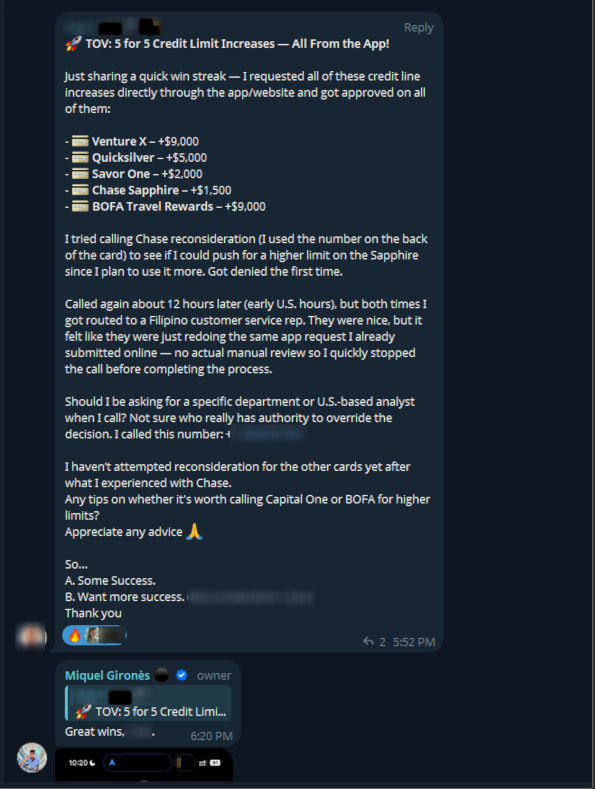






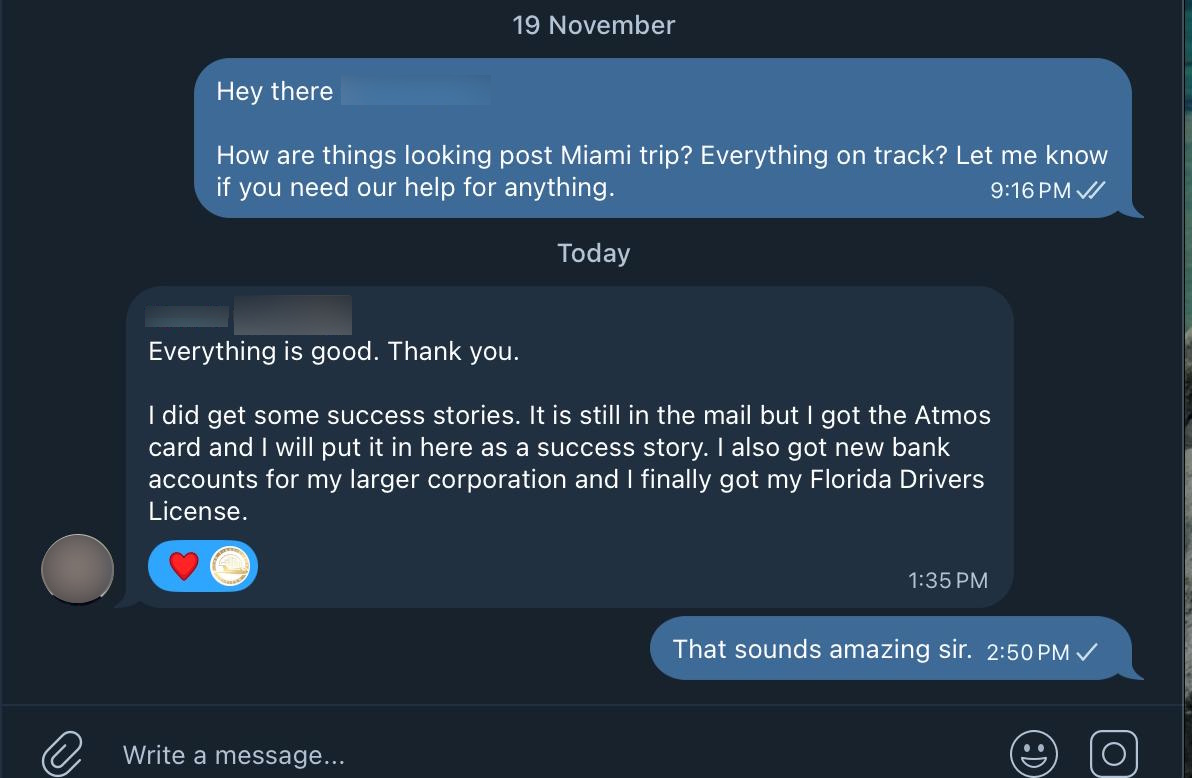



Real client wins, straight from the Hall of Wins.
The rest of the picture
- Find your routeTell it what you are trying to do and it maps the guides to read in order.
- ITIN document checklistPick your situation, get the exact list the IRS accepts.
- What it costsPublished prices and timelines, service by service.
- US credit calculatorWhat your spend returns at the rates issuers publish today.
FAQ
Do I need to travel to Armenia to get permanent residency?
How long does Armenian permanent residency take?
Is Armenian permanent residency the same as citizenship?
How much does Armenian permanent residency cost?
Can my spouse, children and parents be included?
Will Armenian residency lower my tax?
Who can apply for Armenian permanent residency?
What happens if the application is denied?
Sources
The published pages this guide draws on, each read on the date shown.
- youtube.com read 2026-08-30
Find out whether Armenia is your second country
The assessment call covers which of the two routes fits, what the package includes and what it costs, how dependents are handled, and what year three actually asks for. Direct, qualified, and honest about the parts no page can answer.
Book Your Assessment CallThis guide reports what the authorities and institutions involved publish, quoted, with the date each source was read. It is not tax, legal or immigration advice. Published rules change, and an individual case can turn on facts no page can see.

Founder & CEO, The First Class Citizen